Reykjavik and Southwest
Iceland's gateway around Reykjavik, the Golden Circle and the volcanic Reykjanes peninsula, accessible year-round in 2 to 3 days.
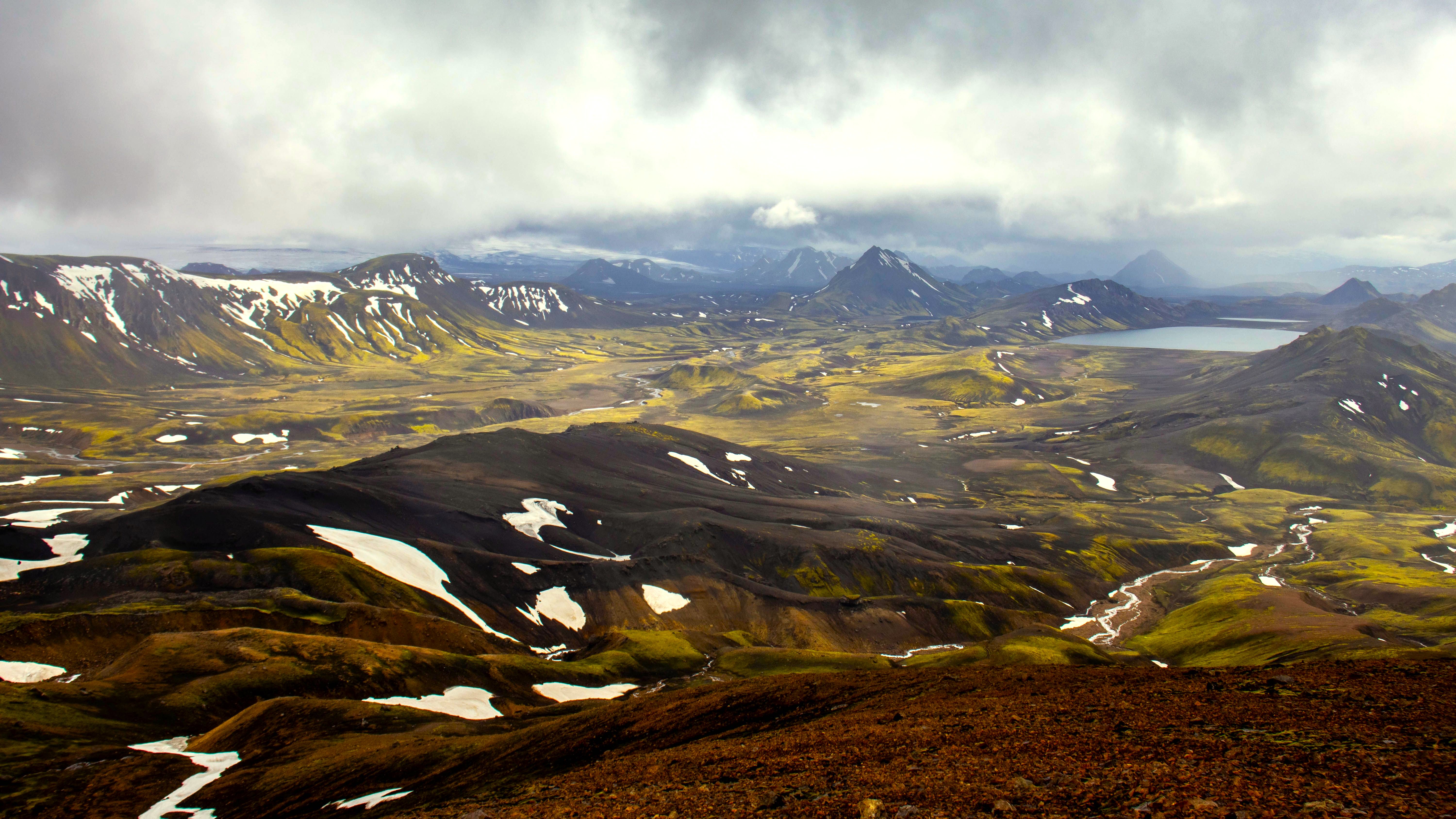
Reykjavik and its region concentrate the arrival of nearly all travelers setting foot in Iceland. Keflavik International Airport sits 50 km from the capital, on the Reykjanes peninsula, a wind-swept volcanic plateau where black lava surfaces everywhere. Since 2021, the Fagradalsfjall and Sundhnúkur sectors have experienced repeated eruptions: our team monitors the Icelandic Meteorological Office bulletins daily to adapt itineraries, as certain roads around Grindavík may be closed without warning.
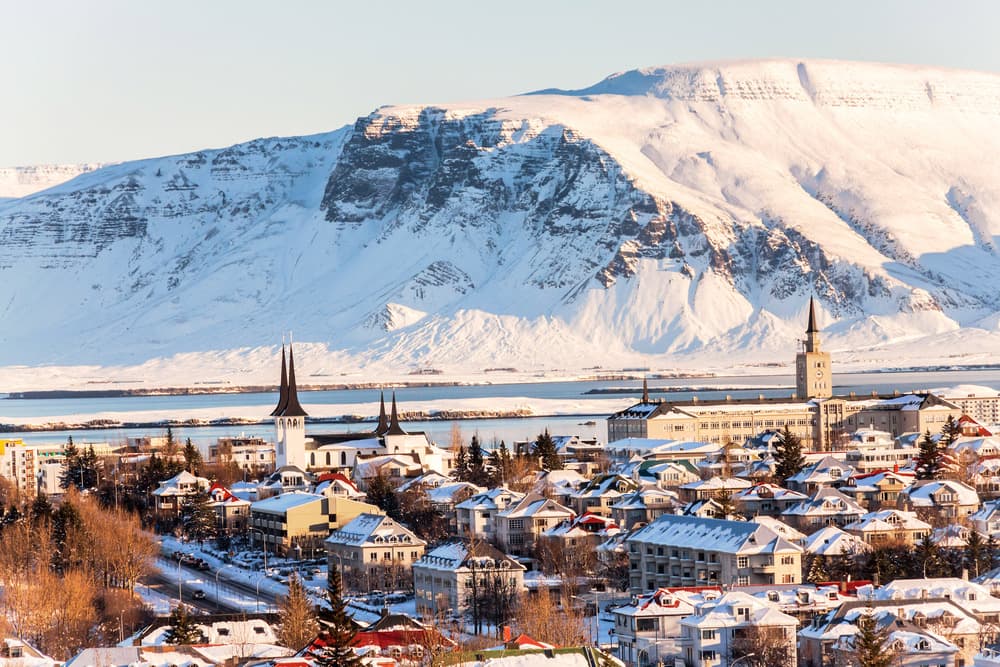
Reykjavik itself is home to approximately 140,000 residents, and nearly 240,000 when counting the greater suburbs of Kópavogur, Hafnarfjörður and Garðabær—two-thirds of the country. The city can be explored on foot in a single day: its center stretches between the Gamla Höfnin port, the Hallgrímskirkja cathedral perched on its hill, and the Sólfar waterfront. It is a low-rise capital of painted corrugated iron and concrete, where geothermal district heating fed from the Hellisheiði boreholes warms every building. Neighborhood geothermal pools (Laugardalslaug, Sundhöllin, Vesturbæjarlaug) remain open year-round at 38°C in outdoor basins, even when snow falls.
Reykjavik's food scene has flourished over the past fifteen years around fish unloaded each morning (cod, halibut, lumpfish), highland lamb and Icelandic dairy products like skyr. Expect €25 to €40 per dish at quality tables on Hverfisgata or Laugavegur, more at Dill or Moss. Coffee has become a serious affair: Reykjavík Roasters, Kaffibrennslan and Mokka serve respectable espresso, something unthinkable two decades ago. Culturally, the Harpa, a concert hall on the harbor, programs the Iceland Symphony Orchestra and hosts the Iceland Airwaves festival each November.
Beyond the city, the Southwest unfolds around the Golden Circle, a 230 km loop we complete in a single day from Reykjavik. Three sites punctuate this route: Þingvellir National Park, a tectonic rift between the North American and Eurasian plates where the Althing convened from 930 onwards; the Geysir geothermal zone, where Strokkur geyser erupts every six to ten minutes; and Gullfoss waterfall on the Hvítá river, two tiers and 32 meters of drop. It is well-trodden terrain, especially between 11am and 3pm in high season, and we recommend reversing the route or departing early to avoid crowds.
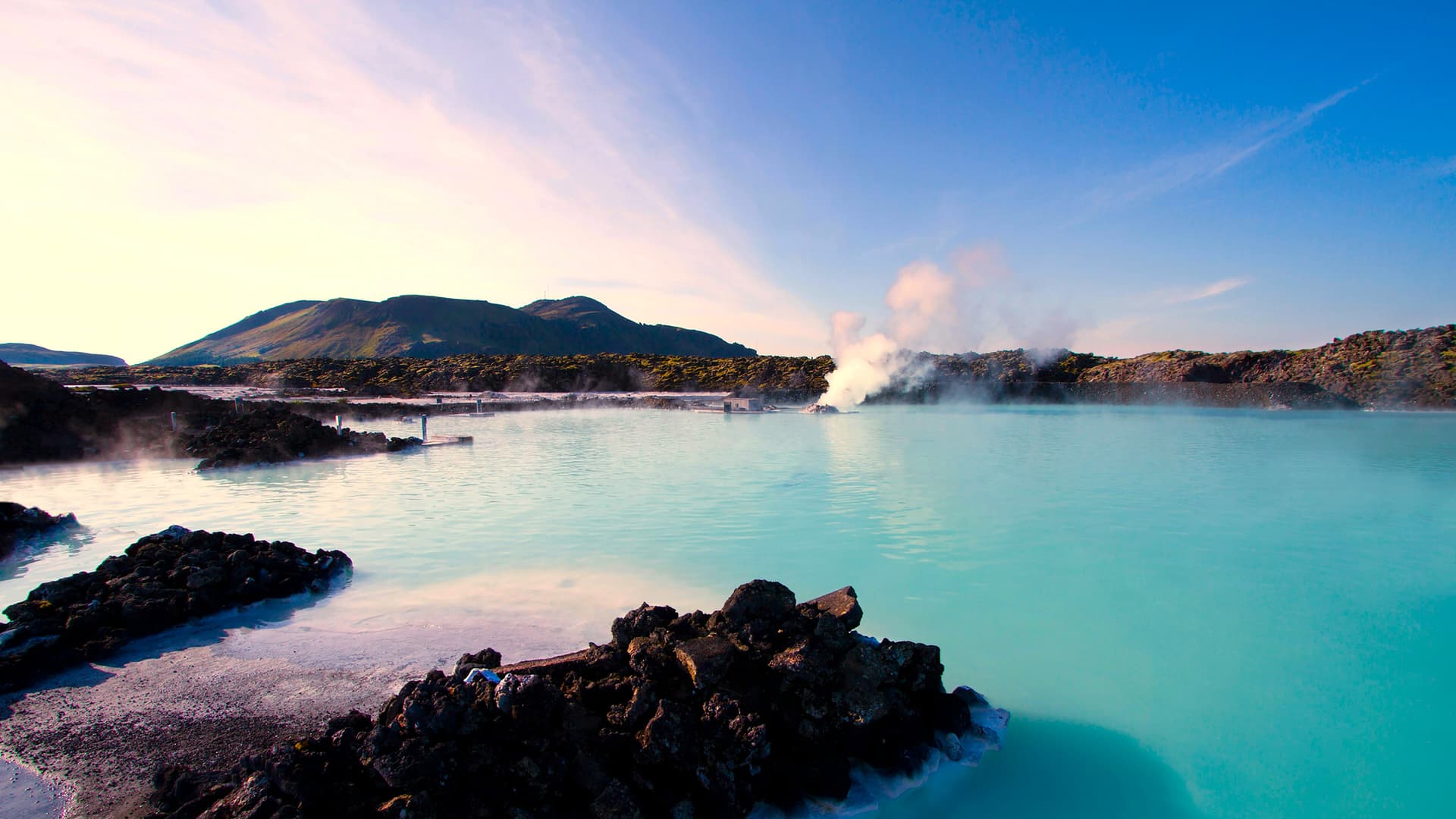
The Reykjanes peninsula, designated a UNESCO geopark, offers another take on the Southwest: the bridge between continents at Sandvík, the ochre fumaroles of Seltún, Reykjanesviti lighthouse, and the Blue Lagoon set in a lava field at Svartsengi. The thermal station remains open depending on seismic activity; conversely, the Sky Lagoon at Kópavogur operates year-round with ocean views. Southeast of the capital, the Reykjadalur valley offers a 3 km hike to a hot river where swimmers bathe in water between 36 and 40°C depending on location.
Economically, the region thrives on tourism, fishing from Grindavík and Sandgerði, financial services, and energy: the Hellisheiði and Nesjavellir geothermal plants supply electricity and hot water to the entire basin. This model is visible from Route 1, and upon request we organize visits to the Hellisheiði interpretation center, invaluable for understanding how Iceland heats 90% of its buildings without fossil fuels.
To discover
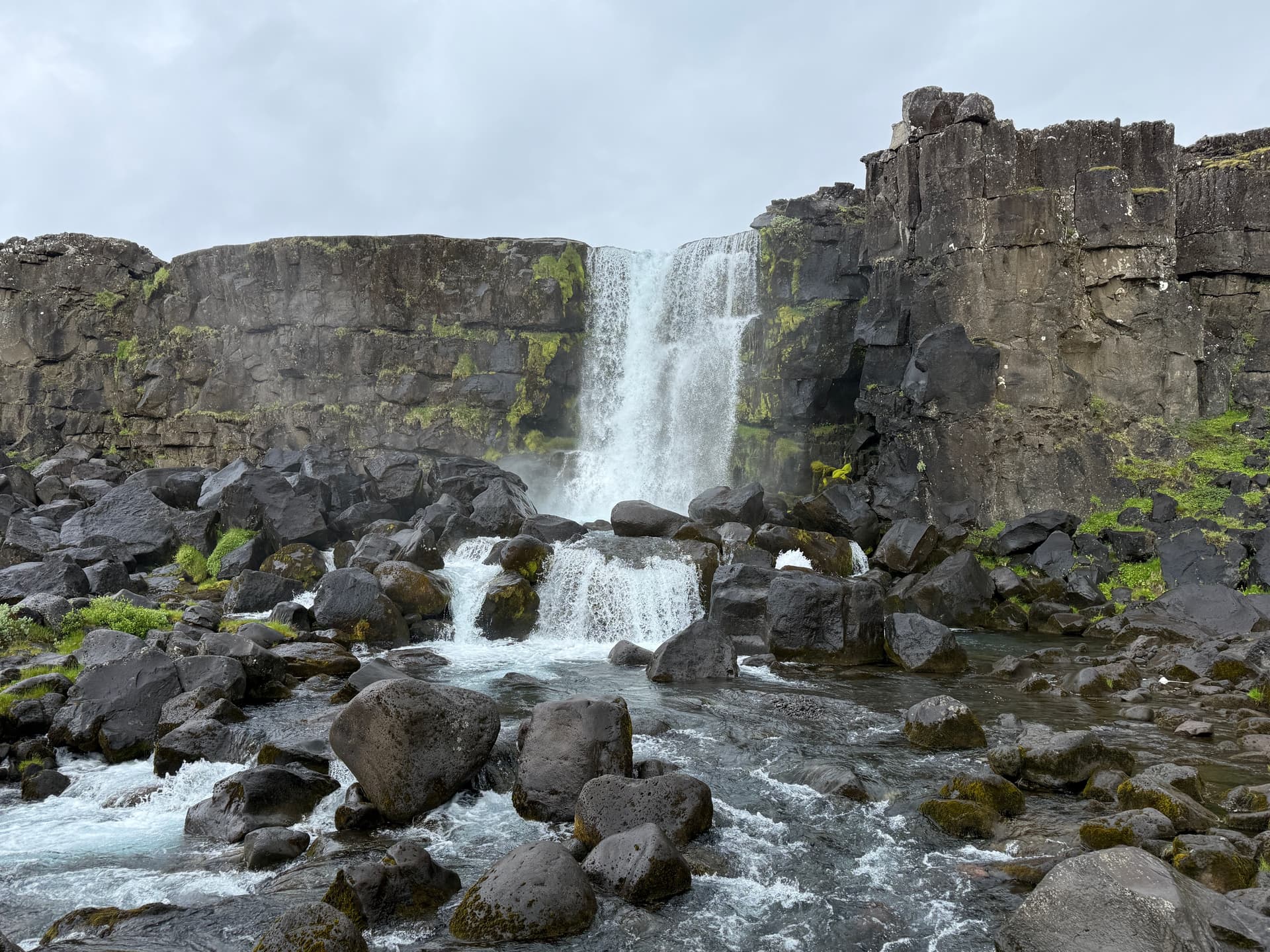
Þingvellir Rift. Walk through the Almannagjá canyon, between the tectonic plates spreading 2 cm per year. Site of Iceland's first parliament in 930, set in a landscape of dwarf birch and glacial lake.
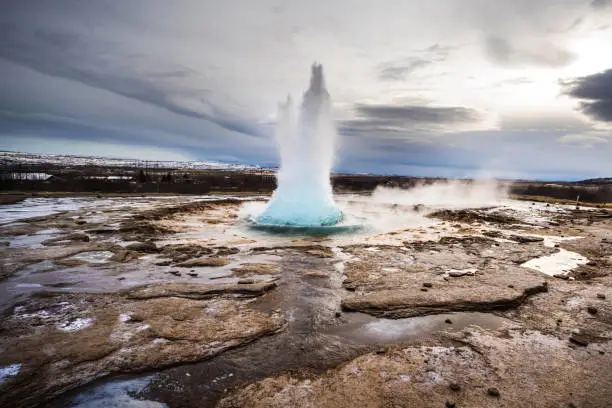
Strokkur and Gullfoss Waterfall. The Strokkur geyser shoots a boiling water column 15 to 20 meters high every six to ten minutes. 10 km away, Gullfoss plunges in two tiers into a canyon where rainbows form in clear weather.
Hot Spring River at Reykjadalur. 3 km ascent from Hveragerði through a steaming valley, followed by outdoor bathing in a naturally heated river between 36 and 40°C. Allow 3 hours round-trip.
Reykjanes Peninsula after Eruption. Still-warm lava fields around Fagradalsfjall and Sundhnúkur, Seltún fumaroles, puffin cliffs at Krýsuvíkurberg in June. Access subject to seismic bulletins.
Evening at Harpa and Reykjavik Dining. Iceland Symphony Orchestra concert at Harpa, its honeycomb facade of colored glass, then dinner of the day's fresh fish or smoked lamb at a Hverfisgata address.
When to visit
The region is visitable year-round, unlike the rest of Iceland. From June to August, temperatures hover between 10 and 15°C, with daylight stretching 20 to 22 hours, ideal for extending visits into evening and avoiding Golden Circle tour buses that peak between 11am and 3pm. Rainfall remains moderate, 50 to 70 mm per month, though wind can howl across Reykjanes. From September to March, the northern lights are visible under clear skies as soon as you travel a few kilometers from Reykjavik's lights, toward Þingvellir or the Reykjanes coast.
From November to February, temperatures hover around 0°C, sometimes dipping to -10°C during anticyclonic episodes, and daylight drops to 4-5 hours around the winter solstice. The main road network (Route 1, Route 36, Route 41 to the airport) remains passable year-round thanks to daily snow clearing, unlike the Highlands closed mid-September to June. March-April and October-November are our favorites: fewer crowds, gentler prices, and the possibility of combining northern lights with hiking.
Practical advice
We recommend 2 to 3 full days in the region: one day exploring Reykjavik on foot (Hallgrímskirkja, harbor, national museum, neighborhood pool), one day on the Golden Circle, one day on Reykjanes or Reykjadalur depending on your preference for geothermal bathing or hiking. This is the logical entry point for any Iceland journey, as all international flights land at Keflavik, 50 minutes' drive from downtown. The road network is excellent, distances short, and driving poses no difficulty outside of wind gusts.
The region naturally combines with the South Coast (Vík, Jökulsárlón) for a 6 to 8-day circuit, or with a full ring road tour including the North and Lake Mývatn and the East Fjords, from 10 to 12 days onward. The West Fjords branch off from Reykjavik via the Hvalfjörður tunnel, adding 3 to 4 days. The Highlands are only accessible in summer and require a 4x4. The Southwest suits all travelers: families with young children (short distances, pools everywhere), contemplative couples, food and design enthusiasts, or travelers on extended layovers with only 3 to 4 days.