South Coast
400 km of waterfalls, glaciers and black sand beaches between Hveragerði and Höfn, with Jökulsárlón lagoon and Reynisfjara's basalt columns as highlights.
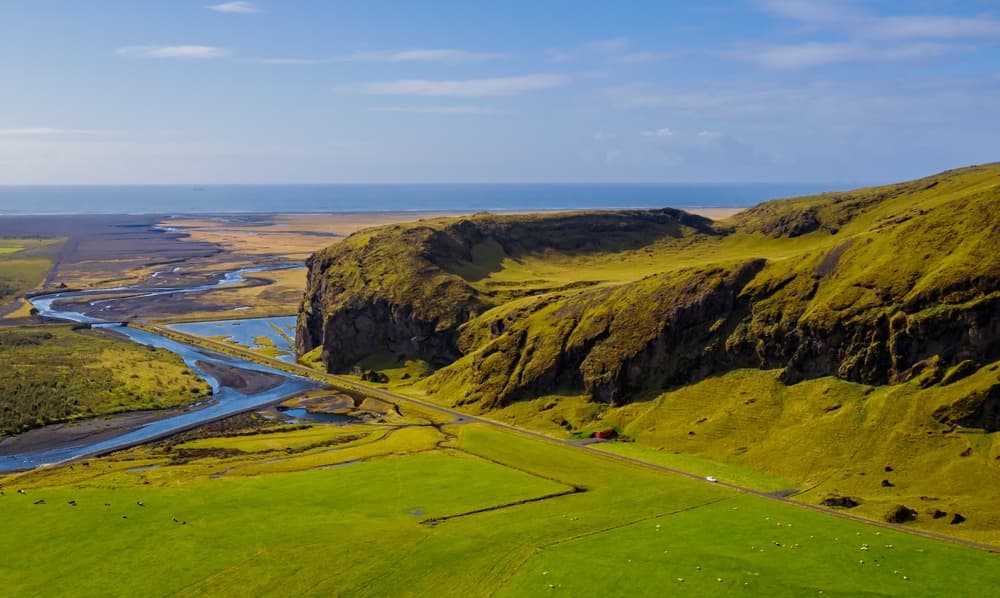
The south coast stretches 400 kilometres between Hveragerði, on the outskirts of the capital, and Höfn, the last port before the East Fjords. It is the country's most accessible coastal strip, crossed west to east by Route 1, and arguably the one with the highest density of contrasting landscapes: waterfalls, black sand beaches, glacial tongues, iceberg lagoons, and sandur plains shaped by volcanic floods.
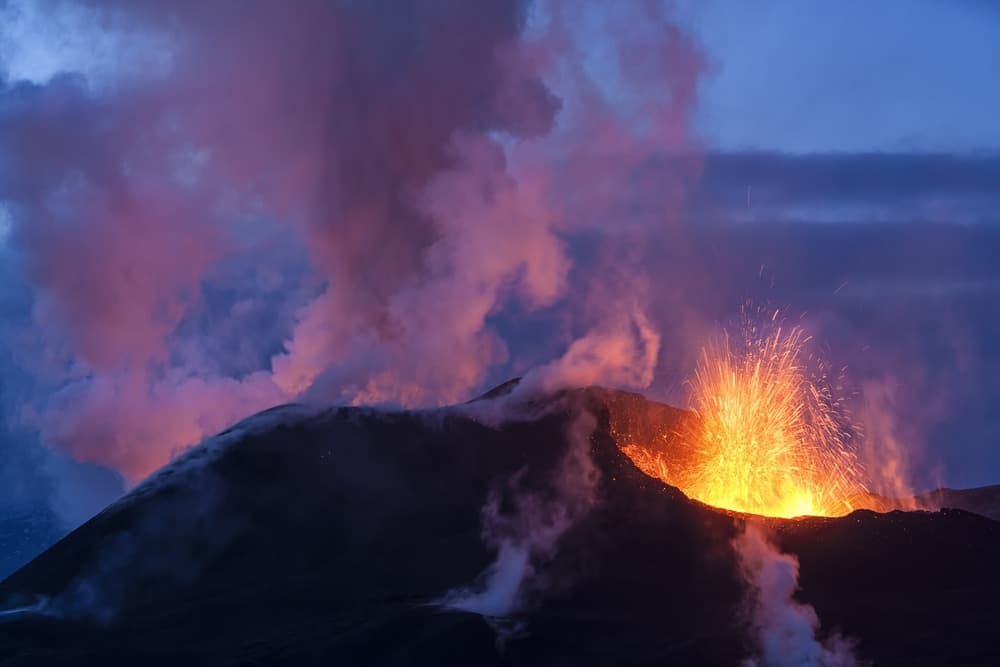
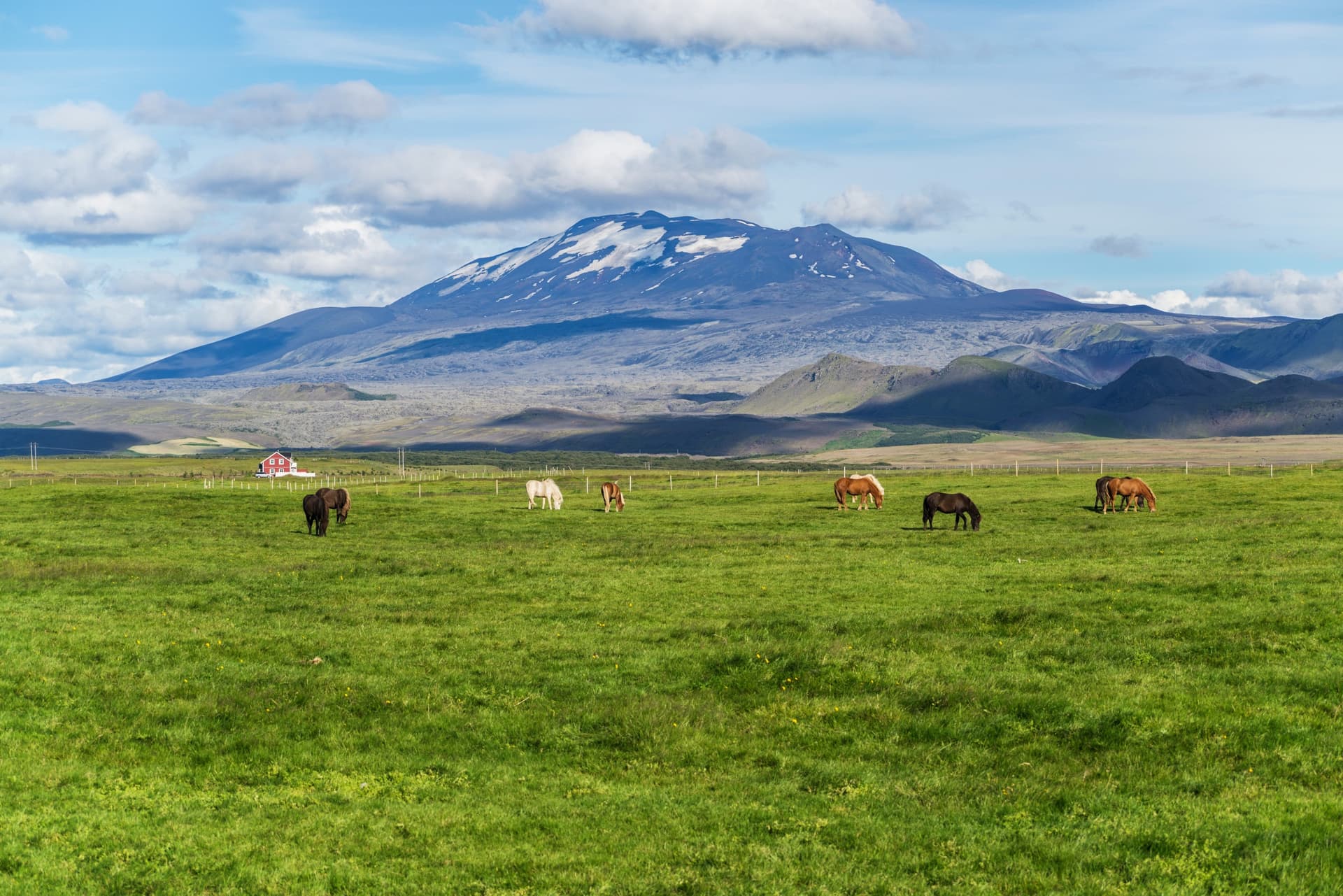
Geologically, this coast lies under the direct influence of subglacial volcanoes. Katla, lurking beneath the Mýrdalsjökull ice cap, and Eyjafjallajökull, whose 2010 eruption paralysed European air traffic, dominate the hinterland of Hvolsvöllur and Vík. Further east, Vatnajökull, Europe's largest ice cap at 7,700 km², sends its arms down to altitudes of just 100 metres. This constant tectonics explains the sandurs: vast, flat expanses of sand and gravel, like Skeiðarársandur, swept by jökulhlaups—the violent floods that follow subglacial eruptions.
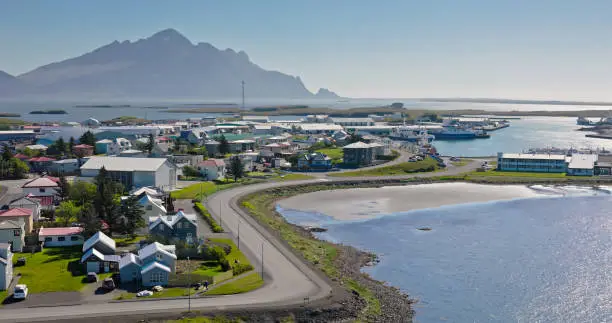
On the villages front, Hveragerði harnesses geothermal energy for its market gardens, which produce tomatoes and cucumbers at 64 degrees north latitude. Vík í Mýrdal, with 750 inhabitants, is the country's most southerly village and serves as a central stopping point, midway between Reykjavik and Höfn. Kirkjubæjarklaustur, a former convent founded in 1186, marks the entrance to the Vatnajökull region. Höfn, a fishing port of 2,400 inhabitants, is renowned for its langoustines caught in Hornafjörður fjord, served grilled with butter in waterfront restaurants.
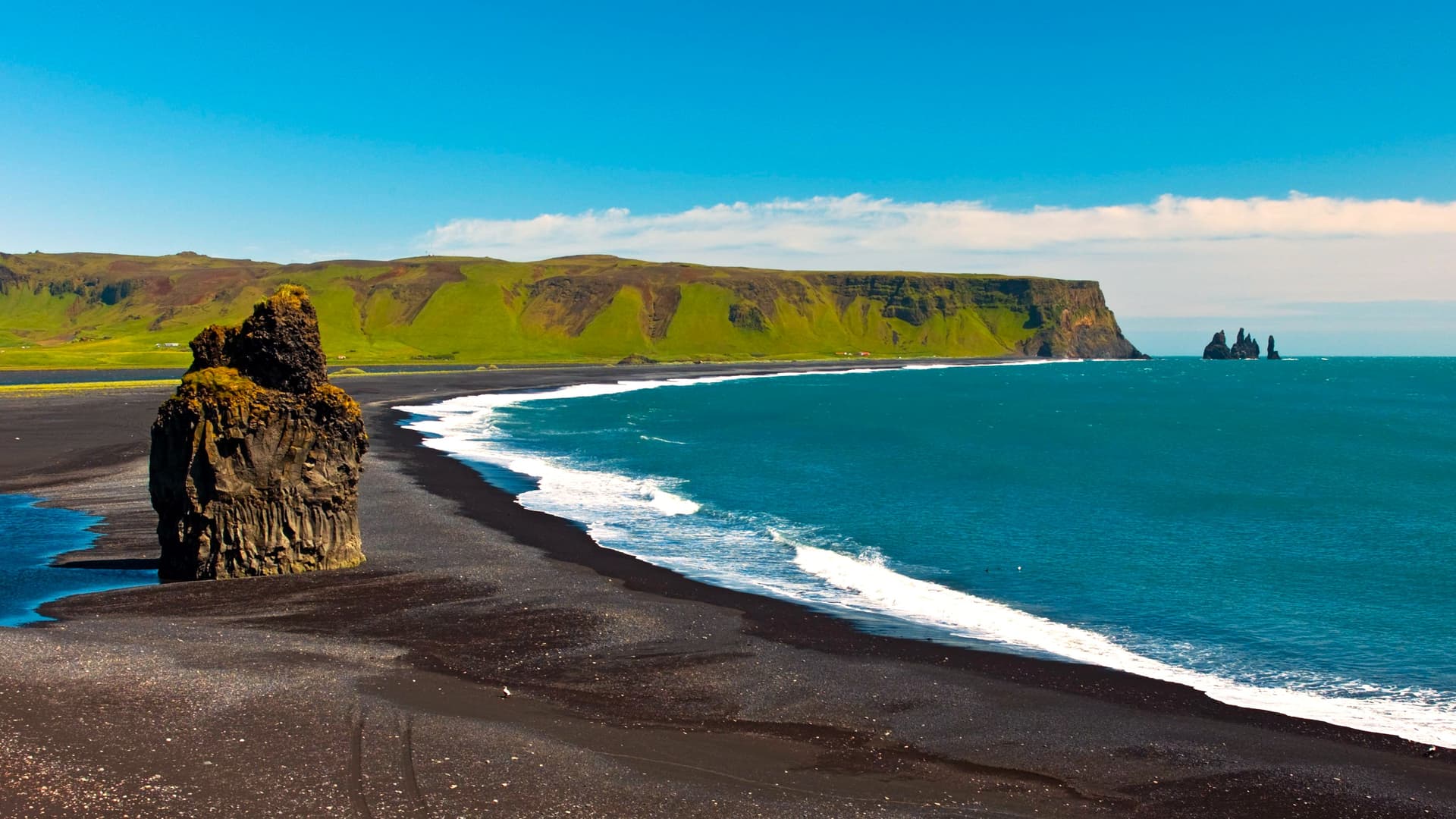
On the route, two iconic waterfalls drop just kilometres apart: Seljalandsfoss, behind which a path allows you to walk, and Skógafoss, 25 metres wide, whose spray forms an almost permanent rainbow on sunny days. Further on, Reynisfjara beach, near Vík, lines up its basalt columns facing the needles of Reynisdrangar. We must stress a critical point to all the travellers we guide: sneaker waves claim lives here every year. The rule is to stay at least 30 metres from the surf line, never turning your back to the ocean.
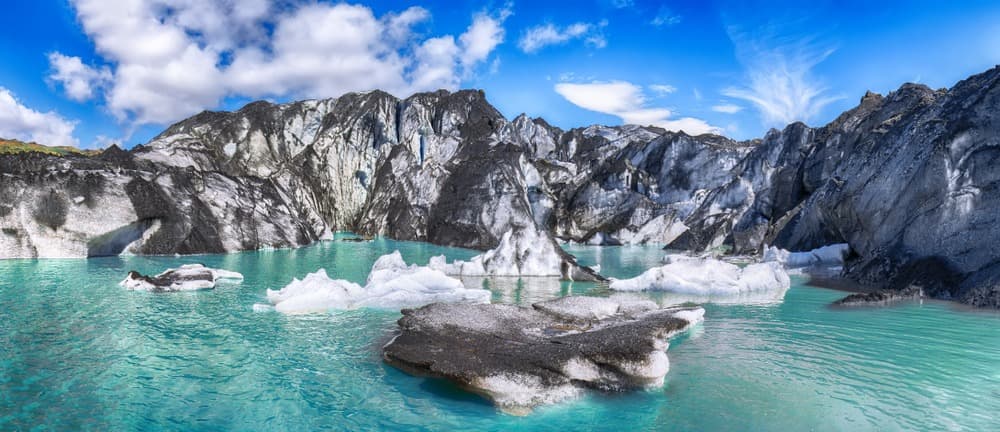
The other highlight unfolds to the east, within Vatnajökull National Park. Jökulsárlón glacial lagoon formed from the 1930s onwards, when the Breiðamerkurjökull glacier began retreating. Icebergs calve continuously, drift toward the ocean through a short channel, and wash ashore on Diamond Beach, where black sand contrasts with blue ice. A few kilometres away, the smaller, quieter Fjallsárlón lagoon offers a direct view of the glacier front.
The most visited region in the country, the south coast remains sparsely populated: fewer than 10,000 inhabitants spread across these 400 kilometres. The economy relies on tourism, sheep farming, and coastal fishing. Outside the season, many farms offer guesthouse accommodation, where dinner features smoked lamb, dried fish, or skyr topped with wild blueberries foraged in August.
To discover
Seljalandsfoss and Skógafoss on the roadside. Two 60-metre falls separated by 30 km, accessible in minutes from Route 1. Behind Seljalandsfoss, a slippery path makes a complete loop around the water curtain.
Reynisfjara and basalt columns. Black sand beach near Vík, framed by hexagonal basalt columns and facing the Reynisdrangar needles. Dangerous sneaker waves—observe from above.
Jökulsárlón and Diamond Beach. Glacial lagoon born from the retreat of Breiðamerkurjökull, where icebergs detached from the front drift. Within 200 metres, blocks wash ashore on Diamond Beach's black sand.
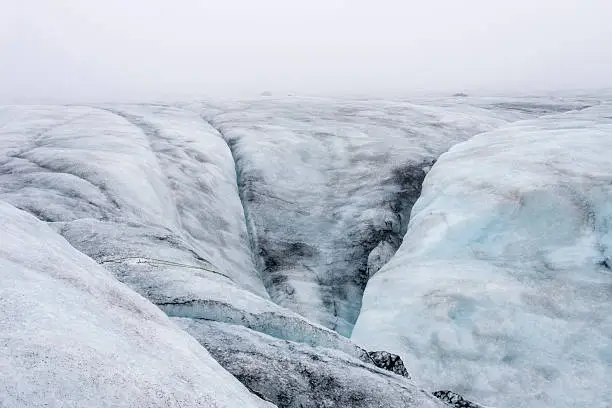
Hiking on Sólheimajökull glacier. Glacial tongue accessible from Route 1, traversed with crampons and ice axe in the company of a guide. A 3-hour outing across seracs, moulins, and blue crevasses.
Höfn langoustines fresh from the port. Caught in Hornafjörður fjord, served grilled with garlic butter in quayside restaurants. Annual humarhátíð festival in late June or early July.
When to visit
The south coast can be visited year-round, but the experience varies dramatically by season. From June to August, daytime temperatures range between 10 and 15 degrees Celsius, daylight barely sets in June, and secondary roads (such as F228 toward Þórsmörk) are open. This is peak tourist season, with steady crowds at major sites between 10am and 5pm. May and September offer a good compromise: fewer visitors, low-angle light, and the first possible auroras from late August onwards.
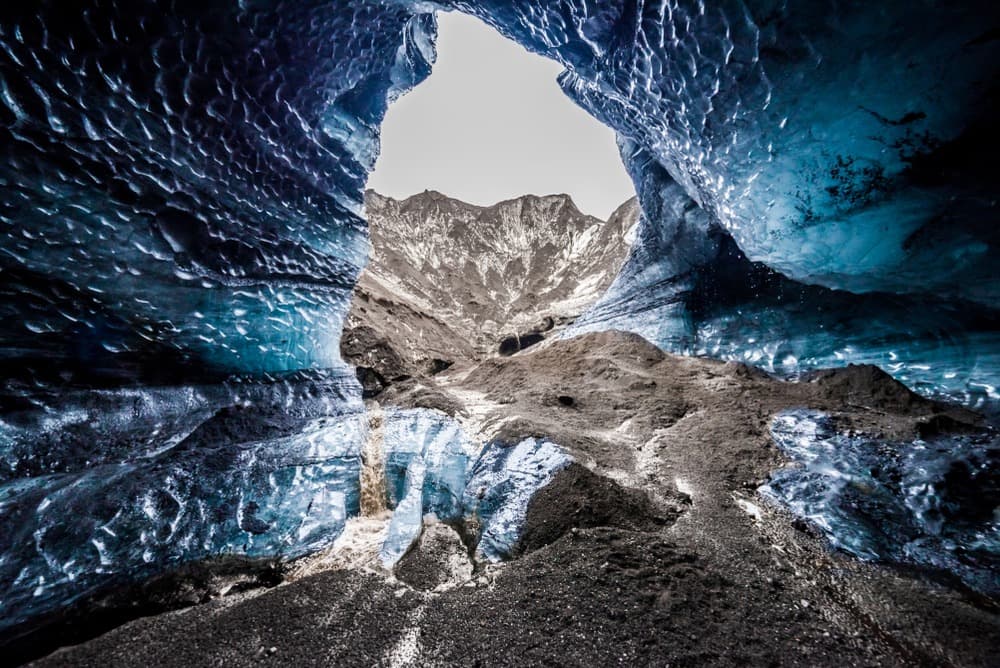
From November to March, the south coast remains accessible thanks to regular snowplough operations on Route 1, and this is the season for northern lights and ice caves in Vatnajökull. Daytime temperatures hover around 0 to 3 degrees Celsius, with frequent winds exceeding 80 km/h occasionally closing the road. Expect just 4 to 6 hours of daylight only in December and January, and consult vedur.is and road.is daily to adjust your plans.
Practical tips
We recommend a minimum of 3 to 4 days to traverse the south coast without rushing, with one night in Vík or Kirkjubæjarklaustur and one night in the Höfn region. Compressed into two days, you'll sacrifice either the Vatnajökull sector or secondary stops like Fjaðrárgljúfur canyon or the Dyrhólaey headland. The entry point is Keflavík International Airport, 50 km from Reykjavik, from which Hveragerði is reached in 45 minutes.
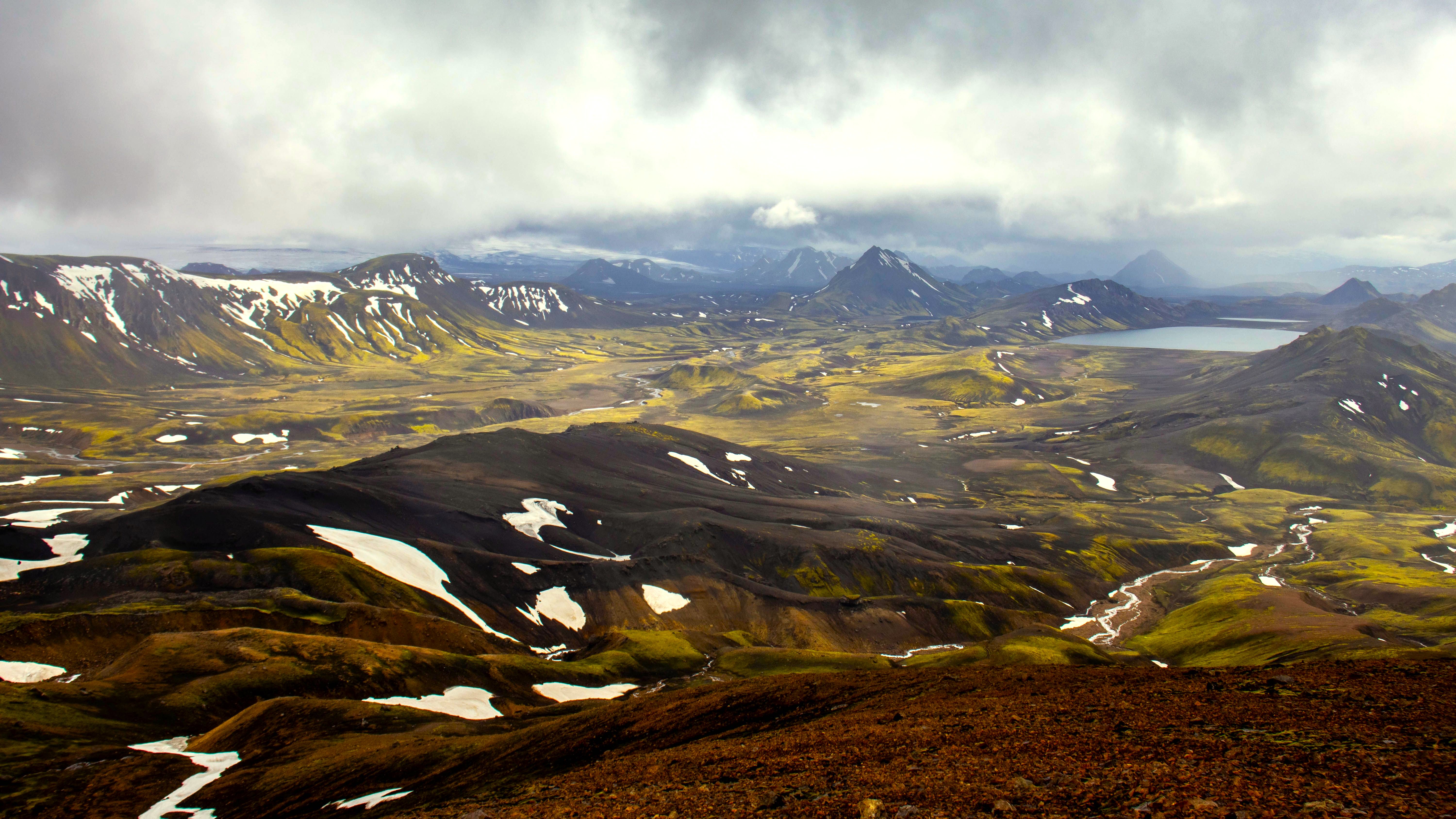
The south coast combines naturally with the Reykjavik region and Southwest at the beginning of your itinerary, and with the East Fjords continuing north from Höfn. For a complete island circuit, allow 12 to 14 days including Mývatn and the north. The region suits all profiles: families with children (main sites are accessible without lengthy walks), contemplative travellers (lagoons and beaches), and hikers who venture to Þórsmörk or onto Sólheimajökull glacier with a certified guide. Accommodation ranges from 4-room farm guesthouses to 80-room hotels in the Fosshótel chain; we adapt based on season and your preferred pace.