Egilsstaðir
Egilsstaðir
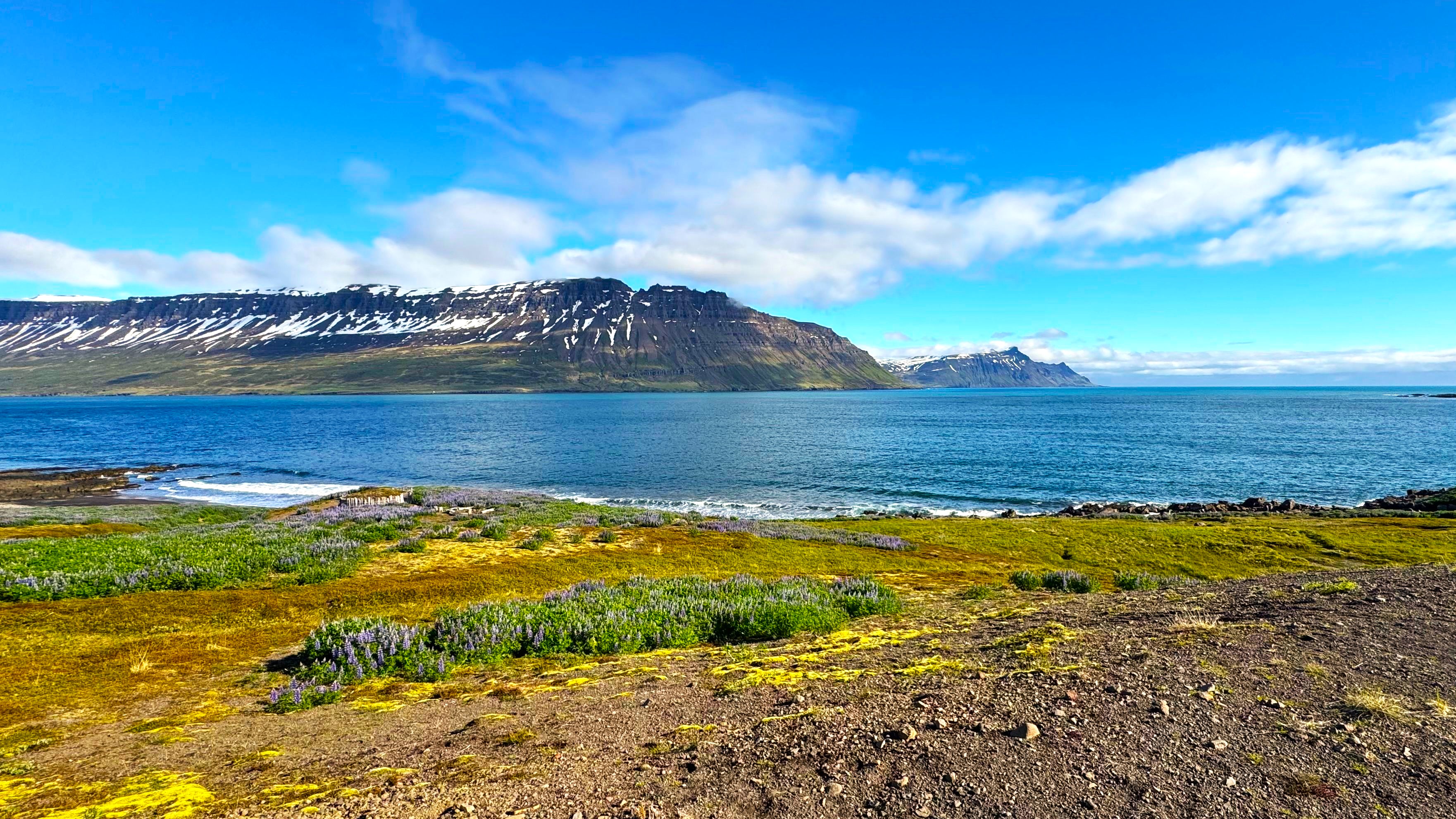
Capital of East Iceland, Egilsstaðir opens the door to wild fjords, the Hengifoss waterfall, and the lake of the legendary Lagarfljótsormur.
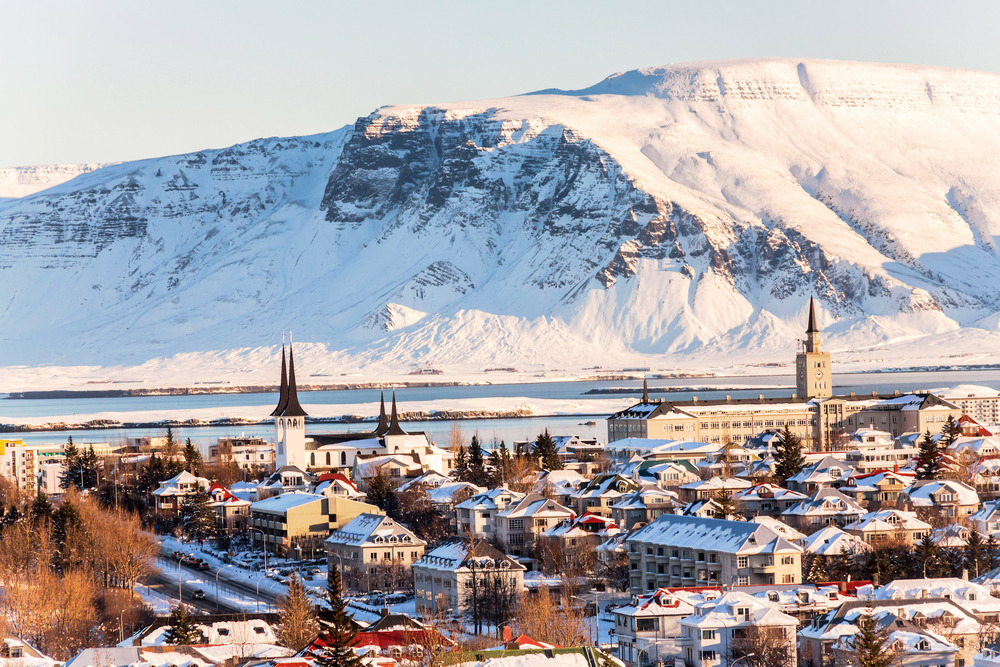
Egilsstaðir is a place where time never stands still, where culture comes alive in daily living. You'll move from one discovery to the next, whether in specialized centers, clubs, museums, or at local festivals. Around it, countryside blends with forests and mountains, calling you to explore. The birthplace of Vilhjálmur Einarsson, this town sits near Lake Lagarfljót, which is said to harbor a mythical creature in its depths—a legendary being of Iceland.
History
Established at the crossroads of important routes in East Iceland, near the Lagarfljót river, Egilsstaðir was originally a farm that gradually expanded over time. In 1947, the town was officially founded by government decree to serve as a transport and commerce hub for the rural hinterland.
Egilsstaðir Today
A peaceful countryside, comfortable climate, and a warm community—Egilsstaðir welcomes visitors with open arms. Hospitality comes first, followed by a wealth of cultural activities. The town invites you to discover the ambitious projects of its talents in theater, music, and the arts. Draw near to clubs and associations for moments of connection. Visit exhibitions in museums. Above all, inquire about the cultural festivals in Fljótsdalshérað that bring together artists from across Iceland each year.
Culture in Everyday Life
The Egilsstaðir Cultural Center offers a rich program: film screenings, multidisciplinary performances, theater, exhibitions, and more. Beyond this, artist studios are open for visits within this former slaughterhouse. Through community centers, culture spreads across the municipality's rural areas as well. Events are especially lively during the Old Norse month of Þorri, between January and February, with the Þorrablót festivals in full swing.
Sports Too…
Apart from cultural events, numerous activities enliven life in Egilsstaðir throughout the year. Spring brings outings, both within the city and in its surroundings. Nestled at the heart of town, the Vilhjálmsvöllur sports field regularly hosts sporting events. The complex is named after the famous athlete Vilhjálmur Einarsson, a native of Egilsstaðir, who won the silver medal in triple jump at the 1956 Summer Olympics. Home to the Höttur club, the park also serves for neighborhood competitions and various events of the Ormsteiti festival. Beyond this, the municipality boasts a golf course, an equestrian grounds, a shooting range, a motorcycle area, swimming pools, and more.
A Few Ideas for Getting Out
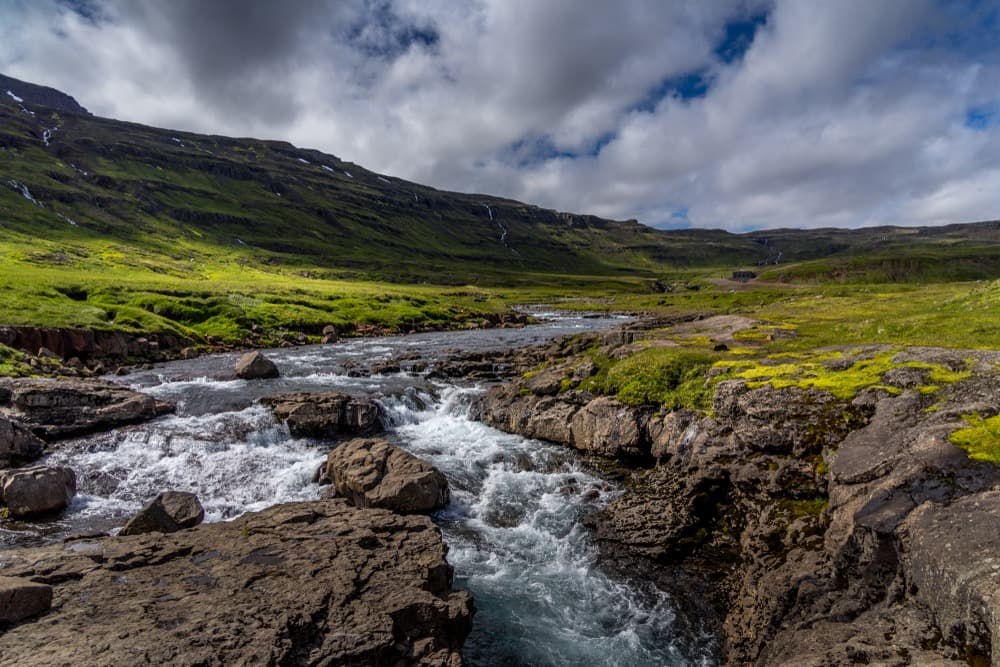
Between forests and mountains, nature is picturesque around Egilsstaðir. Rivers, lakes, and waterfalls lend themselves to numerous outdoor pursuits. Beyond classic hikes through the woods, explorers can join treks in neighboring mountains at any time of year. Encounters with local wildlife and birdwatching enrich the itineraries. Lake Lagarfljót is home to the legendary Icelandic monster, Lagarfljótsormur. Hunting and fishing are permitted in certain locations. To soothe your muscles, head to the Vök thermal baths, near Lake Urriðavatn northwest of Egilsstaðir. These are Iceland's very first floating thermal pools.
To blend history with architecture, visit Skriðuklaustur Manor in Fljótsdalur. This residence served as a monastery between 1493 and 1552. In the 2000s, archaeological research clarified the site's history, and it is now open to visitors. Writer Gunnar Gunnarsson took possession of the estate in 1939, before relocating to Reykjavik in 1948, at which point he donated the manor to the State. In summer, the Gunnar Gunnarsson Institute, created as a center for culture and history, offers exhibitions, various cultural events, and guided tours of the property and archaeological site.
Climate
The Egilsstaðir region has a tundra climate classified as ET on the Köppen-Geiger map. It is generally cold year-round; the average annual temperature is 3.3°C. Over the year, average precipitation is 1,199 mm.
June is the driest period, receiving an average of 69 mm of precipitation. October records the highest rate, averaging 146 mm. July is the warmest month, with an average temperature of 8.8°C, while January experiences the lowest temperatures, averaging −0.9°C.
Egilsstaðir is connected to major Icelandic cities by bus. Egilsstaðir Airport receives several daily flights from Iceland's capital, Reykjavik. From Denmark, it is possible to reach Seyðisfjörður via the ferry from Hirtshals, passing through the Faroe Islands. From Seyðisfjörður, numerous buses serve Egilsstaðir daily. If you're driving, Egilsstaðir sits on the Iceland Ring Road (Route 1). Car rental services are typically available at the airport.
With its rural setting, Egilsstaðir is a pleasant town to explore on foot or by bicycle. Buses travel throughout the region, but if public transit doesn't appeal to you, car rental services are available at the airport.
Want to discover this destination?
Our local advisors design your tailor-made trip.