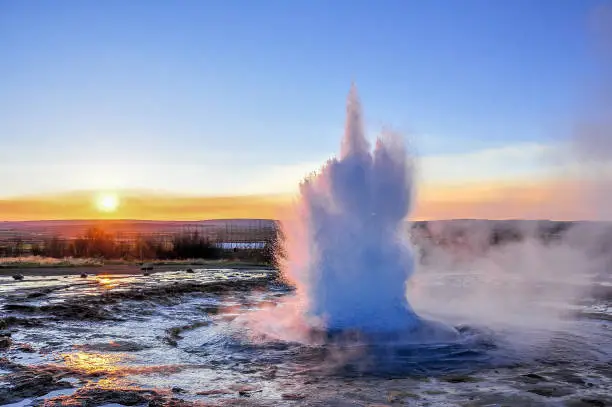
Vatnsnes Peninsula
Vatnsnes Peninsula, in northern Iceland, brings together one of the country's largest seal colonies, the basalt rock Hvítserkur, and wild, rarely visited coastlines—all accessible in a day trip from the Ring Road.
Vatnsnes Peninsula juts into Húnafjörður Bay in northwestern Islande. Less frequented than classic tour routes, it concentrates one of the country's largest seal colonies, a landscape of volcanic moorland, and a few spectacular rock formations. The circular Route 711 winds around it in a few hours.
Practical information at a glance
- Access: Route 711 from Hvammstangi, passable in a standard car (no F-roads).
- Recommended duration: half a day to a full day depending on stops.
- Entry: free across the entire peninsula; some observation centers may charge admission.
- What to wear: waterproof and warm clothing, even in summer — the wind is relentless.
- Accessibility: beaches and coastal trails are largely unimproved.
What you'll see
The peninsula offers three distinct landscape types: shingle and black sand beaches where hundreds of common seals and grey seals rest, basalt cliffs carved by erosion, and moss-covered lava hills. The low-angle northern light gives colors a particular intensity.
History and context
Vatnsnes has been inhabited since the Viking settlement era in the 9th century. The saga of Hrafnkell and other medieval texts mention farms in this region. The local economy long rested on sheep farming and coastal fishing. Today, Hvammstangi, the main town at the peninsula's entrance, has specialized in ecotourism centered on seals.
Highlights of the visit
Hvítserkur
This 15-meter-high basalt rock emerges from the bay at low tide, on the peninsula's eastern coast. Its silhouette suggests a rhinoceros or elephant depending on the angle. Seals regularly rest at its base. Access is via a short trail from a marked parking area.
Seal watching
The beaches around Ósar and Illugastaðir rank among Iceland's best seal-watching sites. The animals allow you to approach within dozens of meters. Hvammstangi's visitor center provides information on the species present and seasonal behavior patterns.
Wild western coast
The western section of Route 711 runs along less-visited cliffs with clear views of the Westfjords in the distance on clear days. Stops are rare and trails unmarked—ideal for those seeking solitude.
Photography tips
Hvítserkur photographs best at low tide, in late afternoon or early morning, when low-angle light accentuates the basalt's textures. For seals, a telephoto lens is essential: approach slowly and keep your distance to avoid startling them. In summer, the midnight sun offers continuous golden light.
Location and access
Vatnsnes is located about 200 km north of Reykjavik, accessible via Route 1 (Ring Road) then Route 711. Hvammstangi is the natural entry point. No regular public transport serves the peninsula: a rental car is essential. Route 711 is paved for most of its length.
Nearby attractions
- Hvammstangi — fishing town with a museum dedicated to seals and basic services.
- Blönduós — small town on the Ring Road, a resupply point before or after the peninsula.
- Westfjords — region of spectacular fjords visible from Vatnsnes's western coast, a few hours' drive away.
- Húnafjörður region — bay surrounding the peninsula, rich in seabirds and coastal landscapes.
Frequently asked questions
Seals are present year-round. June to August corresponds to births and the largest gatherings on the beaches.
No. Route 711 is passable in a standard car. Some secondary roads to the beaches may require a vehicle with higher ground clearance.
Yes. Vatnsnes lies on the natural route between Reykjavik and the Westfjords. Plan an extra day to avoid rushing through both destinations.
Late afternoon or sunrise, at low tide. Check local tide schedules before heading out: the rock is partially submerged at high tide.
A few farms offer guest rooms. The most complete selection (hotels, restaurants, gas station) is found in Hvammstangi, at the peninsula's entrance.
Yes, but visitors are asked to maintain a respectful distance (at least 25 meters) to avoid stressing the animals, especially during the breeding season.
Attractions in Vatnsnes Peninsula
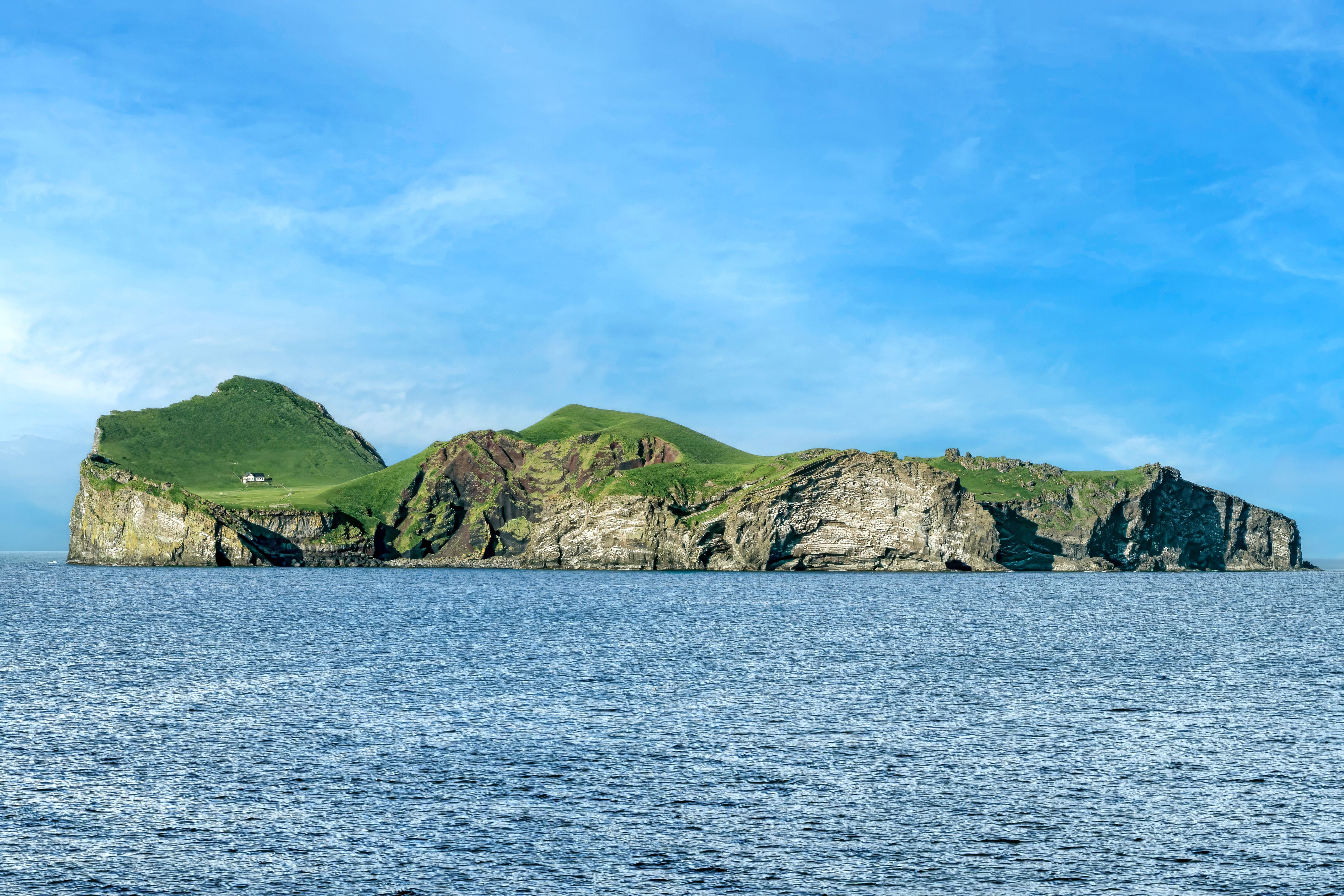
Drangey
Drangey surgit du fjord de Skagafjörður avec ses falaises de 180 mètres, ses colonies de macareux et l'histoire du hors-la-loi Grettir. Un site sauvage et peu fréquenté, accessible uniquement en bateau l'été.
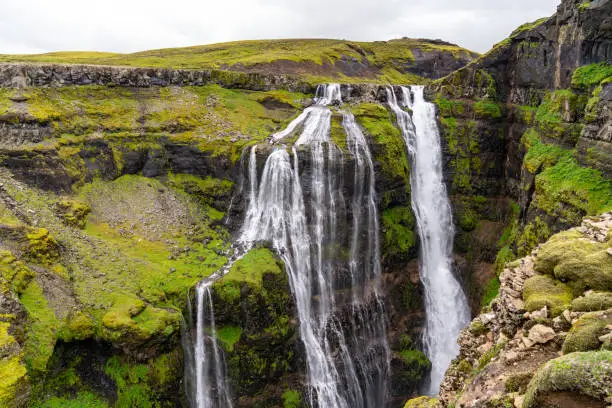
Chute de Glymur
Glymur est la deuxième plus haute cascade d'Islande, nichée dans un canyon de basalte au fond du fjord de Hvalfjörður. Une randonnée de 3 à 4 heures depuis Reykjavík, avec traversée de rivière et belvédère vertigineux.
Want to discover this destination?
Our local advisors design your tailor-made trip.