Where and When to See the Northern Lights in Iceland?
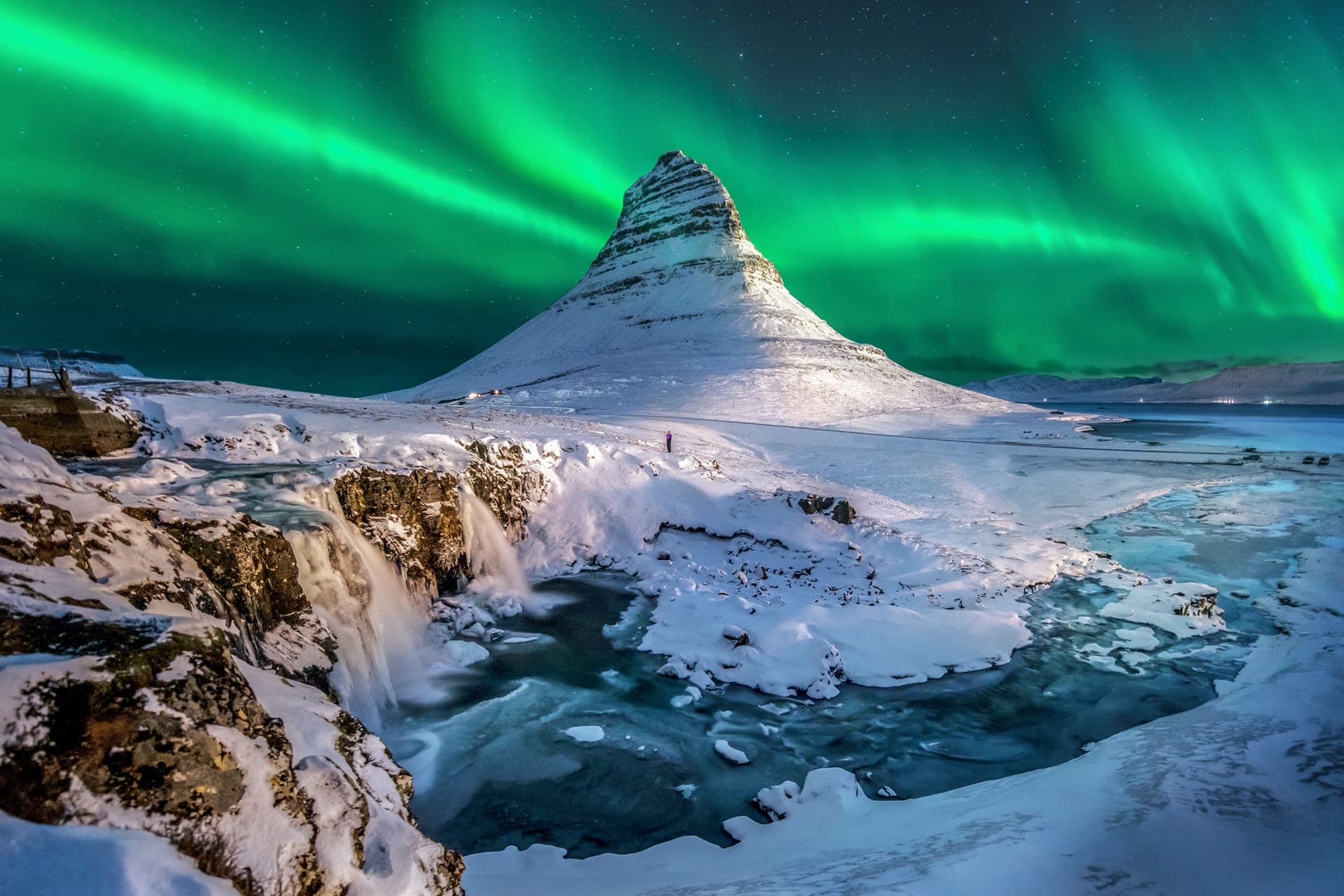
Triggered by powerful solar eruptions, the Northern Lights are natural phenomena that everyone dreams of witnessing at least once in their lifetime.
Triggered by powerful solar eruptions, the Northern Lights are natural phenomena that everyone dreams of witnessing at least once in their lifetime. Thanks to its geographical position, favorable weather conditions, and enchanting landscapes, Iceland is the ideal destination to turn this dream into reality. Where and when to see the Northern Lights in Iceland? We'll tell you everything…
Where to See the Northern Lights in Iceland?
You can see the Northern Lights almost anywhere in Iceland. Of course, weather conditions must cooperate. However, there are certain locations particularly renowned for observing the Northern Lights in Iceland. The most famous site is Jökulsárlón. Located in the southeast of the country, the setting is enchanting: a tranquil turquoise lagoon fed by the waters of the Breiðamerkurjökull glacier.
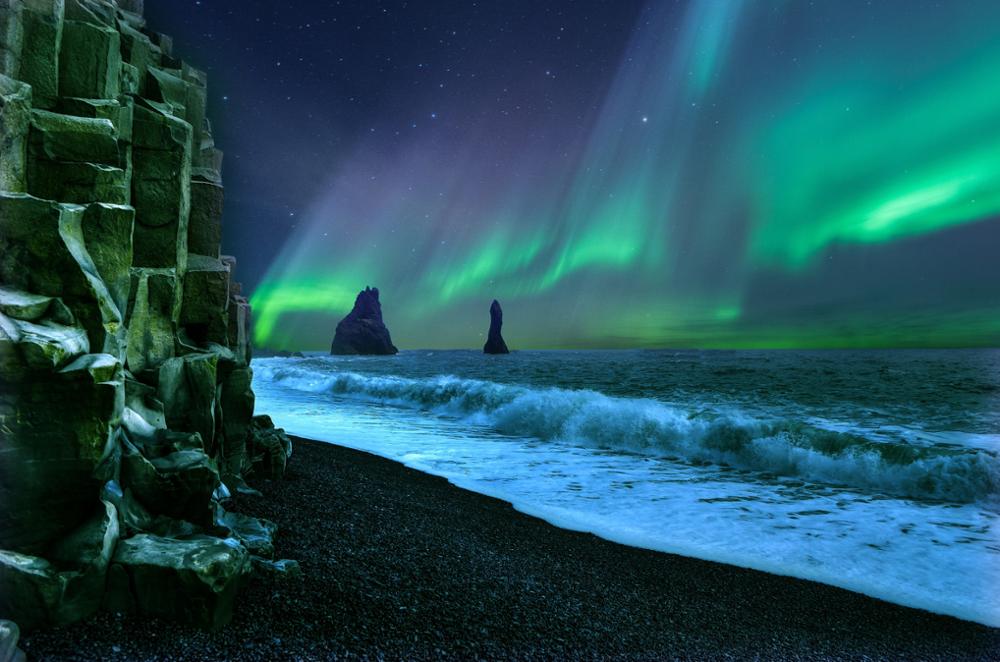
For a change of scenery, head to the beach of Vík í Mýrdal. Picture yourself beneath a sky ablaze with color, feet in black sand with the sound of waves as your soundtrack… Welcome to one of Iceland's most stunning spots to observe the Northern Lights! Similarly, the charming port of Borgarnes, located in the north of the country, offers a magical setting to watch this nocturnal dance above fishing boats.
Finally, the volcanic region of Landmannalaugar is the premier destination if you wish to venture off the beaten path. Due to its remote location, a 4x4 is essential to reach it in winter. Being difficult to access, the site is therefore less crowded with tourists. And here's the best part: you can admire the Northern Lights from a natural hot spring! What more could you ask for?
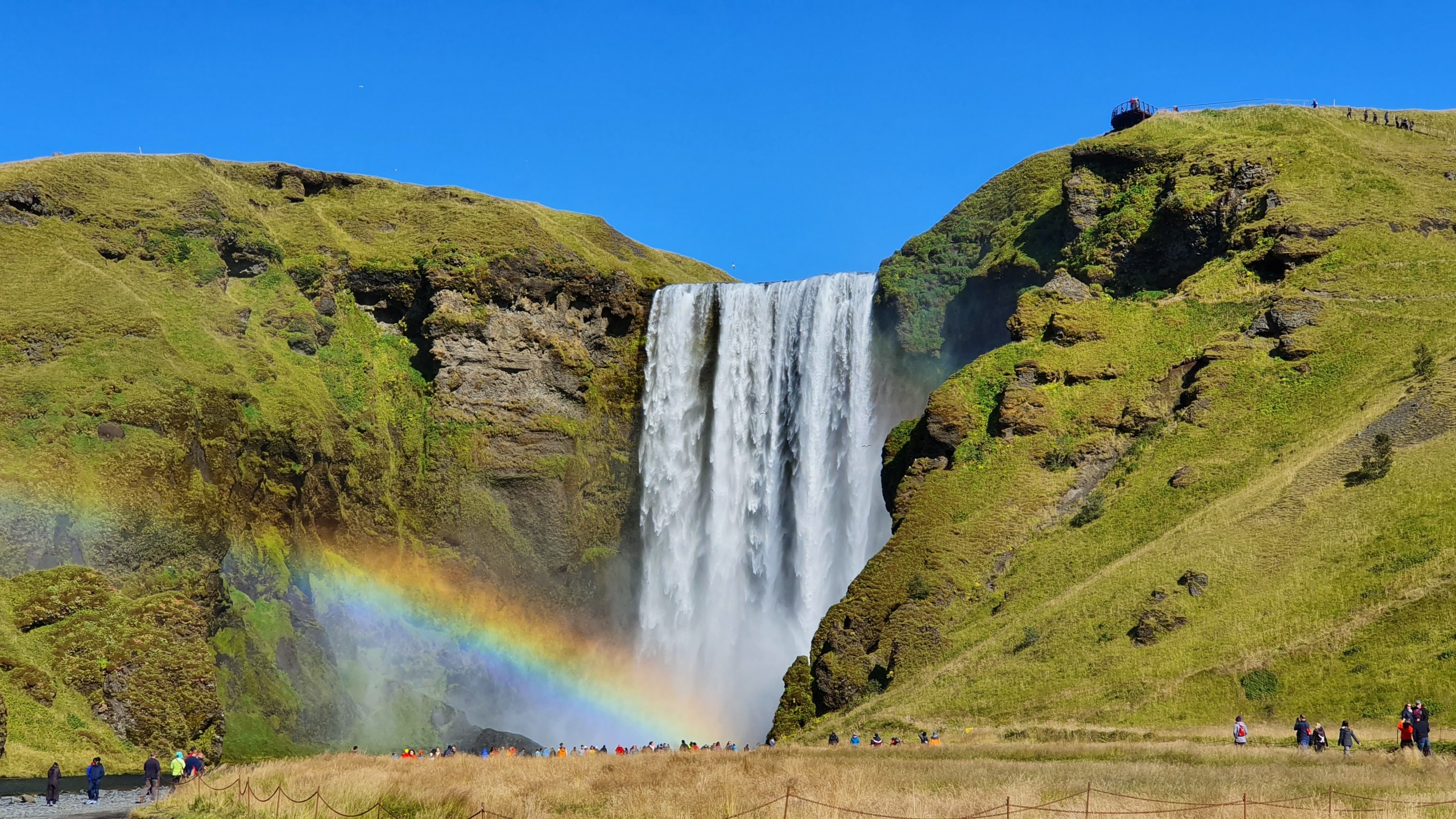
The list of best places to see Iceland's Northern Lights is extensive. You can also visit Hvolsvöllur, on the Snæfellsnes Peninsula, at the Skógafoss waterfall, Akureyri, or on the Keflavik Peninsula…
When to See the Northern Lights in Iceland?
The Northern Lights occur year-round but are visible to the naked eye for only eight months of the year. Just as with stars, you need a clear sky during a dark night and to be far from light pollution from cities to catch a glimpse of the Northern Lights. Given Iceland's latitudes, the country experiences periods without darkness known as the midnight sun! This is why it's best to plan a trip between September and April to see Iceland's Northern Lights.
Remember that the longer the period of darkness (particularly in January), the greater your chances of seeing them. As for timing, aim for the evening starting from 11 PM. And above all, be patient! Weather forecast sites (such as the Icelandic Meteorological Office https://en.vedur.is/) can give you an idea of upcoming forecasts, but like any natural phenomenon, the Northern Lights cannot be predicted with certainty.
Frequently asked questions
The ideal period to observe the Northern Lights in Iceland spans from September to April. During these months, nights are long and dark enough to witness this phenomenon. January, with its very long nights, statistically offers the best chances for observation.
Several sites are particularly renowned: the glacial lagoon of Jökulsárlón in the southeast, the black sand beach of Vík í Mýrdal, the port of Borgarnes in the north, and the volcanic region of Landmannalaugar (accessible by 4x4). To escape light pollution, any isolated spot away from Reykjavik makes a good choice.
The Northern Lights are generally visible from 11 PM onward, when the sky is completely dark. It's advisable to remain patient and monitor weather forecasts in real time on the Icelandic Meteorological Office website (vedur.is).
You can consult the official website of the Icelandic Meteorological Office (en.vedur.is), which publishes aurora activity forecasts. Mobile apps such as Aurora Forecast or My Aurora Forecast also display the KP index (geomagnetic activity): the higher this index, the more intense and visible the auroras will be at lower latitudes.
It is technically possible to catch glimpses of the Northern Lights from Reykjavik, but the capital's light pollution significantly reduces your chances and the visual intensity. It's preferable to venture at least 30 to 50 km away from the city to enjoy a truly dark sky and maximize your experience.