Why Rent a Car for Your Trip to Iceland?
Many travelers will tell you that renting a car is the best way to visit Iceland. Find out why it's highly recommended to rent a car during a trip to Iceland.
Many travelers will tell you that renting a car is the best way to visit Iceland. Some will even say that a car is essential to explore what is nicknamed the "Land of Fire and Ice". Discover why it is highly recommended to rent a car during a trip to Iceland.
Travel in Complete Freedom
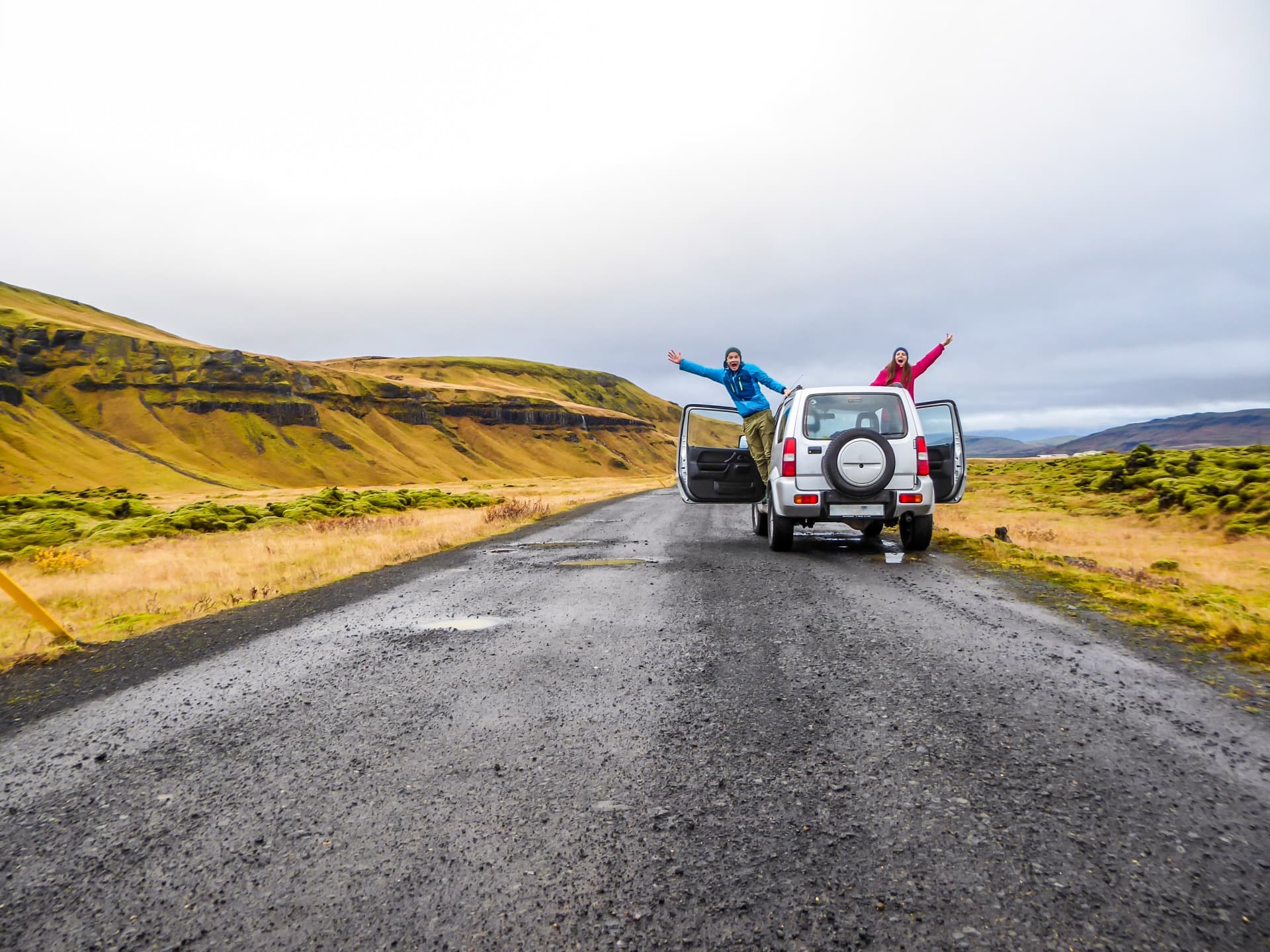
Traveling in Iceland means enjoying a succession of spectacular and unique landscapes. What better way to discover them than in complete freedom? If there is one advantage to renting a car in Iceland, it is the ability to be independent throughout your journey. Whether you choose a self-drive tour or plan your own itinerary, the car is the means of transport that guarantees you the greatest autonomy.
By renting a car, you go where you want, when you want, and you have the pleasure of stopping whenever you like to fully enjoy the natural treasures of the island. In other words, you travel at your own pace! And since the country is renowned as one of the world's best spots to observe the Northern Lights, you can easily use your car to hunt for this extraordinary meteorological phenomenon…
Save Time and Enjoy Greater Flexibility
In addition to traveling in complete freedom, renting a car above all allows you to save precious time. Especially since public transportation options are limited for getting around in Iceland: there are no trains, only buses.
Although the Icelandic bus network covers a large part of the territory, public or private buses do not allow for great flexibility. Indeed, while most sites of interest are served by buses, collection frequency is not always optimal. In winter, for example, public bus lines become scarce in the north of the country. As for private buses that travel through the interior, they are only available during the summer season, from June to September.
As you can see, visiting Iceland by bus requires excellent organization and planning your routes and schedules in advance so as not to waste time on the ground. Having a car will, conversely, offer you valuable time savings. You won't depend on schedules and can optimize your visits without constraints.
Discover Sites Accessible Only by Car
If you want to explore Iceland's wild regions, visit remote locations and trek off the beaten path, the car once again seems like the best solution. By renting a car, you can freely and easily take Route 1, also called the Ring Road since it circles the island. This route allows you to see the majority of the country's points of interest and is accessible with all types of vehicles.
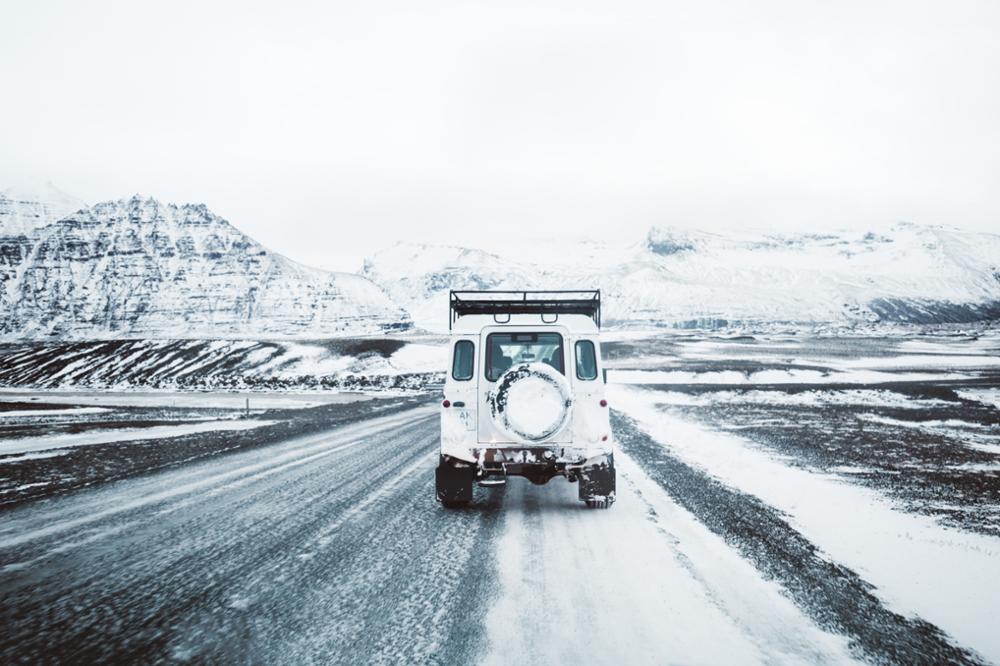
Good to know: Rent a 4x4 or a standard car? Some of Iceland's most popular sites like Landmannalaugar, Kerlingarfjoll, Askja, and Laki are only accessible by 4x4. Indeed, to reach certain parts of the island, particularly in the Highlands, you must take roads called F-roads, or mountain roads. These tracks are only open to 4x4s and Super Jeeps due to river ford crossings. This is why, if you plan to visit the Highlands in the center of the country, the fjords of the west, or certain difficult-to-reach trails, you will have no choice but to rent an all-terrain vehicle. On the other hand, if you don't plan to leave the Ring Road, a standard car will work perfectly fine. |
Save Money, Especially When Traveling With Others
While buses remain the most economical means of transportation to visit Iceland, this is especially true when traveling alone. As for taxi fares, it's needless to say they will cost you dearly given the numerous trips you have ahead and the distances to cover. This is why renting a car in Iceland can prove very advantageous, especially if you're traveling with others and can split the costs!
Rent a Car Without Having to Plan Your Itinerary
The numerous advantages of renting a car to visit Iceland have convinced you, but you don't wish to or don't have time to organize your travel itinerary? Our English-speaking agency can help you plan your self-drive tour. From renting your vehicle to picking it up once you arrive, including creating a detailed itinerary (sites to see, insider tips, accommodations…) designed according to your expectations… We handle everything, you won't have to do a thing!
Frequently asked questions
No, it is not mandatory to rent a car in Iceland. It is possible to get around by bus, particularly via Strætó lines or tourist buses. However, the car remains the most practical and flexible means of transport to explore the island at your own pace, especially if you wish to visit remote sites or travel outside the summer season.
It depends on your itinerary. If you stay on the Ring Road (Route 1) and the main roads, a standard car is more than sufficient. On the other hand, if you wish to explore the Highlands and take the F-roads (Landmannalaugar, Askja, Kerlingarfjoll…), a 4x4 or Super Jeep is essential, as these tracks have river fords and uneven terrain inaccessible to standard vehicles.
Yes, there is a bus network in Iceland, but it remains limited and infrequent, especially outside the summer season. In winter, many lines are reduced or suspended in the north of the country. Private buses serving the interior only operate from June to September. For a flexible and complete visit to the country, car rental therefore remains highly recommended.
In Iceland, certain territory-specific risks need to be covered: gravel protection (SAAP), volcanic sand (extended SAAP), and flooding (WUSP) are important options to consider depending on your itinerary. Strong winds and mountain roads can also cause unusual damage. It is advisable to carefully check the insurance included in your rental agreement and add coverage suited to your destinations.
Car rental in Iceland is possible year-round, but conditions vary. Summer (June to August) offers the best driving conditions, with roads open everywhere, including F-roads. Winter (November to March) is the best period to hunt for the Northern Lights, but roads can be snowy and some tracks closed. Whatever the season, adapting the type of vehicle to conditions is essential.