What Animals Can You Observe in Iceland?
Iceland is renowned for its exceptional natural landscapes. A land of fire and ice, this island is also home to countless animals.
Iceland is renowned for its exceptional natural landscapes. A land of fire and ice, this island is also home to countless animals. Whether domestic species or wild species, terrestrial, marine, or avian creatures… we invite you to explore the traces of Icelandic animals! Discover the emblematic and must-see animals you can observe during a trip to Iceland.
Domestic Animals
History tells us that most domestic animals found in Iceland are the result of imports during the Viking era. Among the animals domesticated by humans, we can mention primarily sheep, Icelandic horses, and herding dogs. It must be said, sheep farming is the country's main agricultural activity. In fact, it is said that there are more sheep in Iceland than inhabitants!
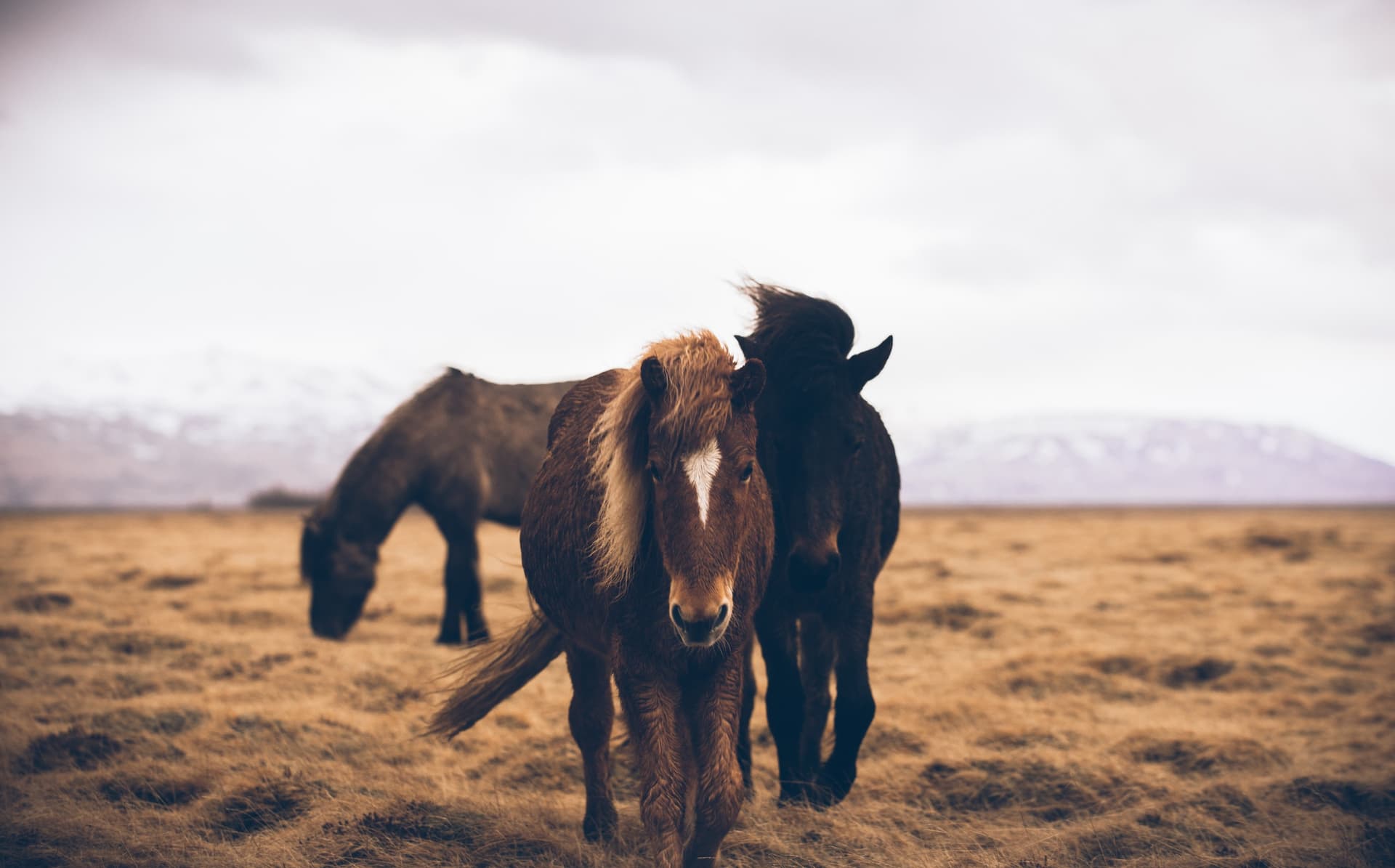
Thus, you will inevitably encounter Icelandic sheep along your route, in pastures or amid vast wild expanses. The same goes for the Icelandic horse, known for its small size, a breed that has been preserved since its arrival on the island. Indeed, any crossbreeding is forbidden to maintain the purity of the species.
Finally, you can see many reindeer across Iceland's lands. They too were imported but today live mostly in the wild. They are especially encountered north of the Vatnajökull glacier.
Wild Animals
Beyond livestock, Iceland is home to incredible wild animals, here are some species you may encounter during a trip to Iceland.
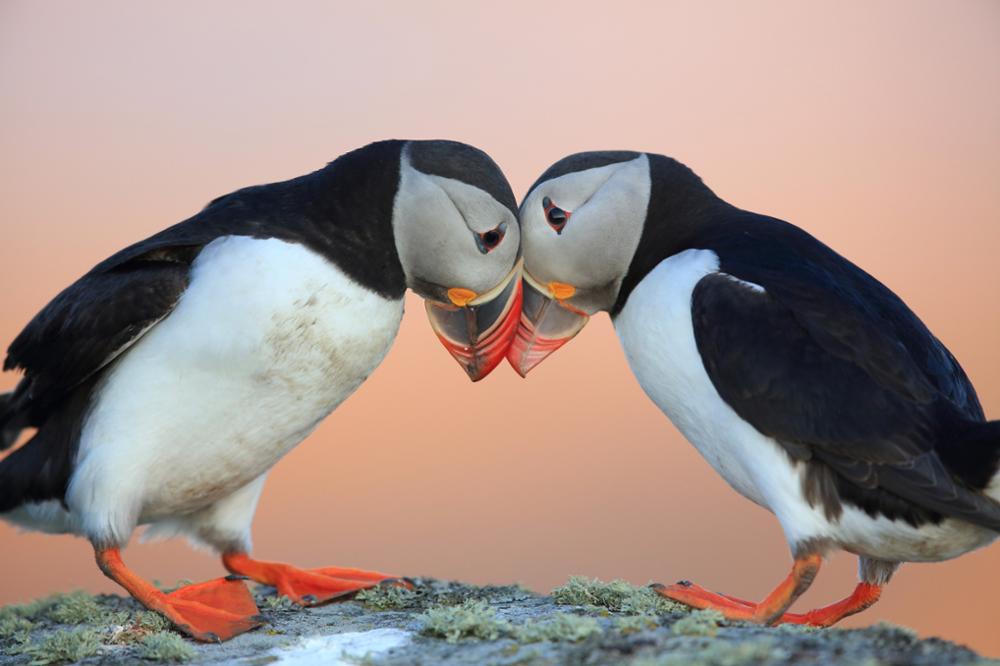
Among Iceland's must-see wild animals is the puffin. A symbol of the country, this bird comes to Icelandic coasts each year, along coastal cliffs to breed. You will likely spot them on the Vestmann Islands, the Lundey and Akurey islands off Reykjavik, or at Dyrholaey. You will also see other species there such as arctic terns, golden plovers, northern gannets, and raptors (the gyrfalcon, white-tailed eagle, snowy owl…). Generally speaking, Iceland is a prime destination for birdwatching enthusiasts given the array of bird species to observe.
On the marine side, Iceland is home to numerous cetacean species including fin whales, blue whales, humpback whales, minke whales, dolphins, porpoises and finally orcas and sperm whales (more difficult to observe). Along the coasts, you will also find the iconic seal, which has made Iceland its home for many years.
On land, Iceland's most anticipated wild animal is the endearing arctic fox. Capable of surviving extreme conditions, the arctic fox (also called the polar fox, Isatis fox, or blue fox) is one of the few species that was present on the island before humans. Though very difficult to spot, it is most commonly observed in the western fjords in the Hornstrandir reserve.
Frequently asked questions
The ideal season for observing whales in Iceland spans April to October, with a peak in summer (June-August). The best destinations are Husavik, nicknamed the European whale-watching capital, and the port of Reykjavik.
Puffins can be observed on the Vestmann Islands, at Dyrholaey, and on the small Lundey and Akurey islands near Reykjavik. They are present on Icelandic coasts from May to August during their breeding season.
Iceland is one of the safest countries in terms of dangerous wildlife. There are no dangerous terrestrial animals for humans. The only large predators are polar bears, which occasionally arrive carried by icebergs from Greenland, but their presence is extremely rare.
The arctic fox is Iceland's only indigenous terrestrial mammal. It is difficult to spot, but the Hornstrandir nature reserve in the western fjords is the best place to encounter it, as hunting is completely prohibited there.
Yes, the Icelandic horse is a pure and protected breed. Introduced by the Vikings over 1000 years ago, it is forbidden to import other breeds to the island in order to preserve the genetic purity of the species. An Icelandic horse that leaves the island can never return.