8 Reasons to Visit Iceland in Winter
While most travelers head to Iceland in summer, the winter season actually offers numerous advantages.
While most travelers head to Iceland in summer, the winter season actually offers numerous advantages. From activities to pursue to weather phenomena to witness to travel conditions, here are 8 compelling reasons to visit Iceland in winter.
1. Explore the Country Without the Crowds
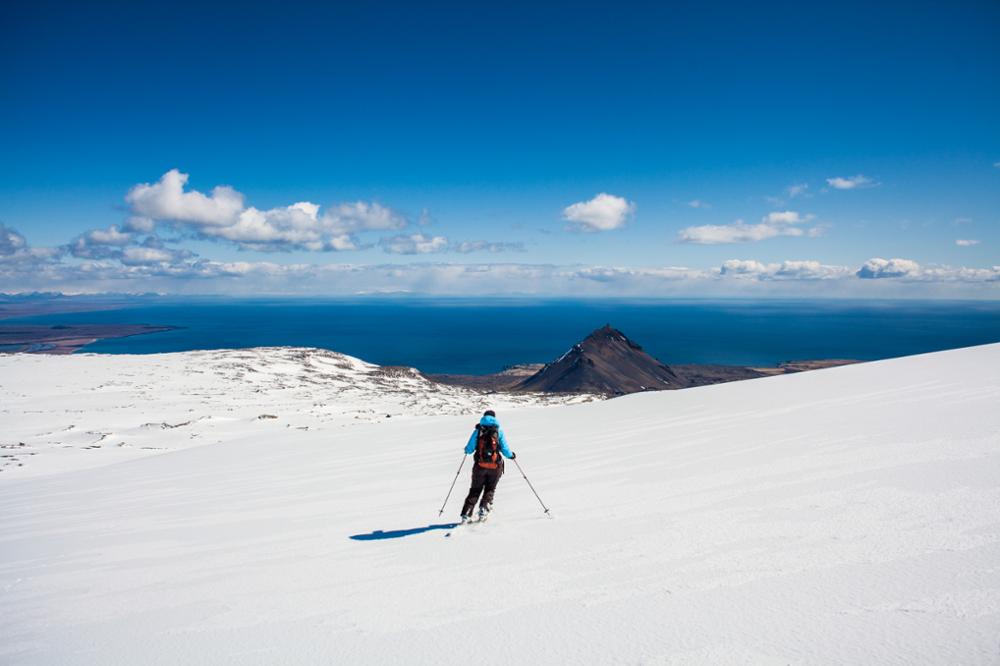
Winter marks the low season in Iceland. In other words, it's the ideal time to avoid overwhelming crowds of tourists. It's your chance to discover Iceland's must-see sites without being swamped by visitors.
Here's the good news: despite the cold, Iceland's winter climate is far less extreme than one might expect. Thanks to the influence of the Gulf Stream, the country enjoys an oceanic climate that largely escapes the impact of polar currents. January is the coldest month with an average temperature of 2°C during the day in Reykjavik and -3°C in the evening.
2. Take Advantage of More Attractive Prices
Low season means lower prices! Traveling to Iceland in winter allows you to enjoy significantly reduced rates compared to the rest of the year—whether for accommodation, car rentals, or even plane tickets.
That said, Iceland remains one of the most expensive countries in the world, so to secure the best deals, it's wise to book well in advance.
3. Marvel at Pristine Landscapes
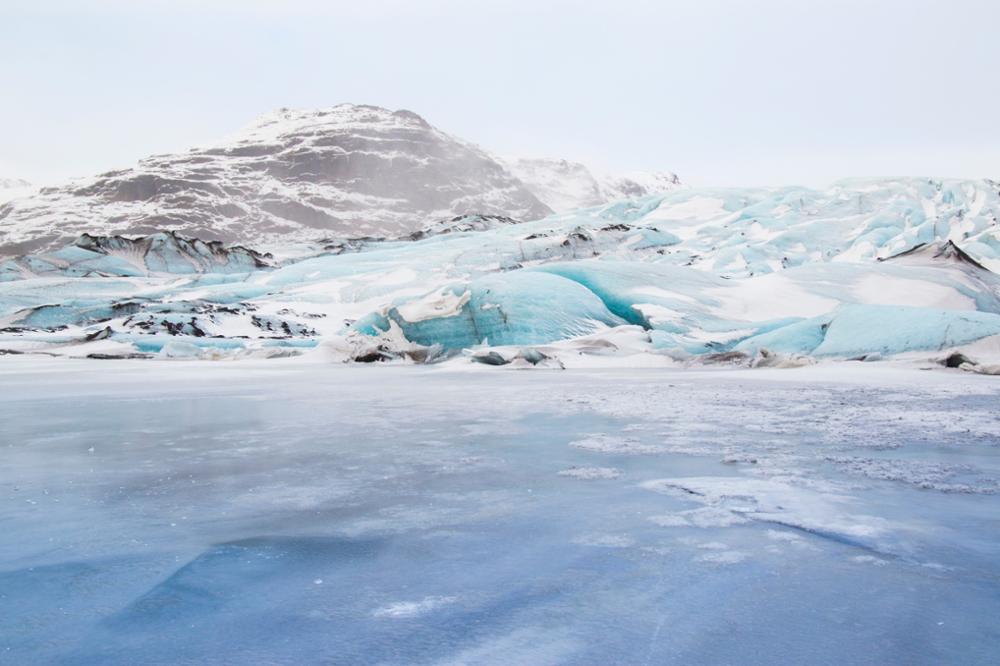
In winter, snow brings its own magic. Fjords, mountains, plains, volcanic beaches, geysers, waterfalls, glaciers… all become blanketed in snow, creating breathtaking, immaculate landscapes. Simply driving the country's roads will give you the feeling of being in a fairytale, otherworldly setting.
Worth knowing: Due to weather conditions, most roads in the island's interior are closed during winter. To drive across Iceland in winter, you can use the Golden Circle or the famous Route 1 (Ring Road), which circles the island and provides access to Iceland's must-see attractions.
4. Witness Frozen Waterfalls
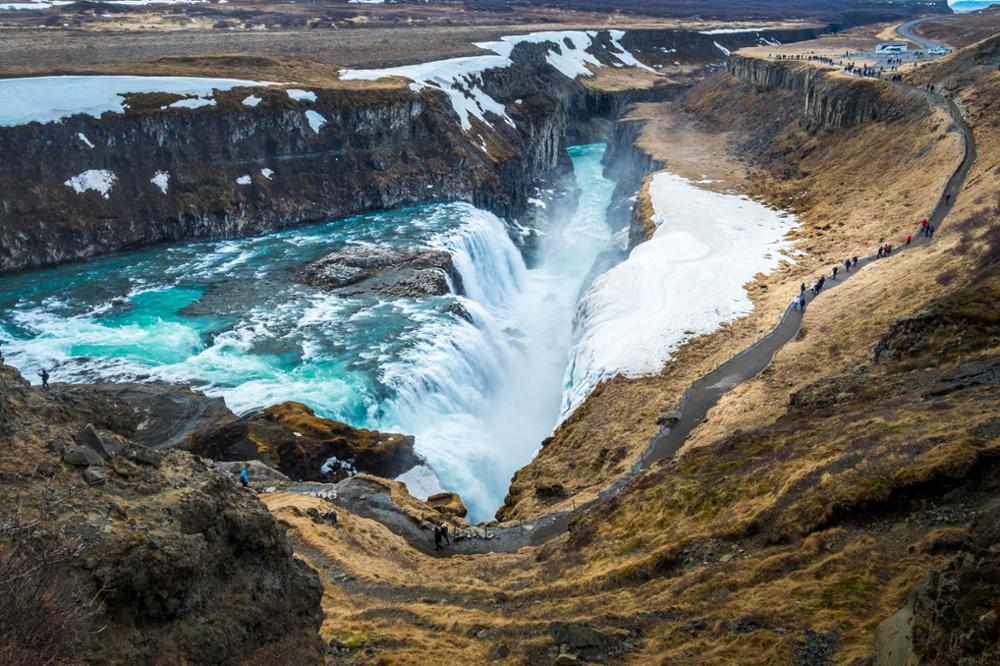
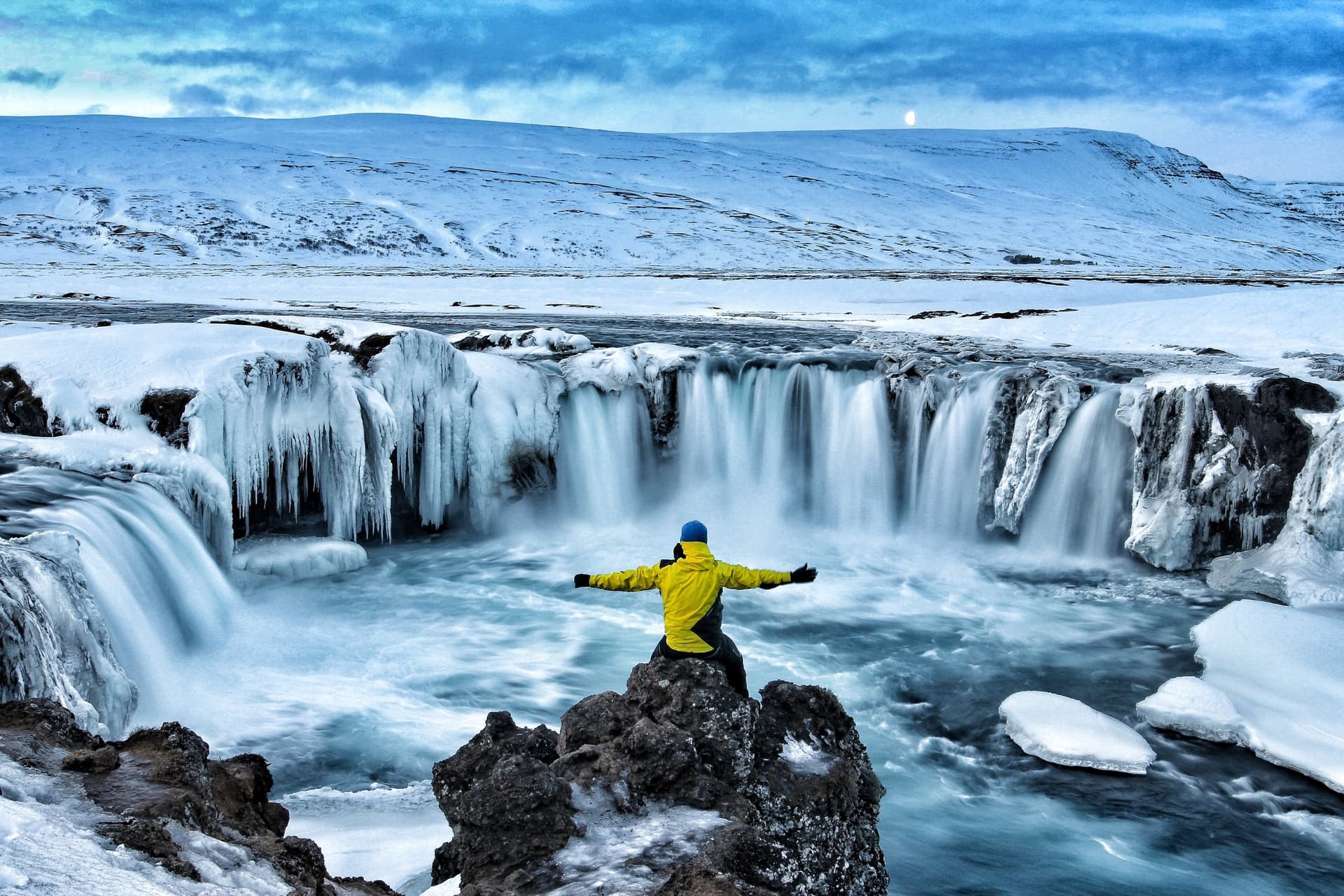
Among the incredible winter landscapes to discover in Iceland, you'll find frozen or partially frozen waterfalls. As temperatures drop, most of Iceland's waterfalls transform into stunning ice sculptures.
Among the most spectacular frozen waterfalls in the country are Gullfoss Falls. These are part of the famous Golden Circle, which is a must-see during any Iceland trip.
5. Explore Ice Caves
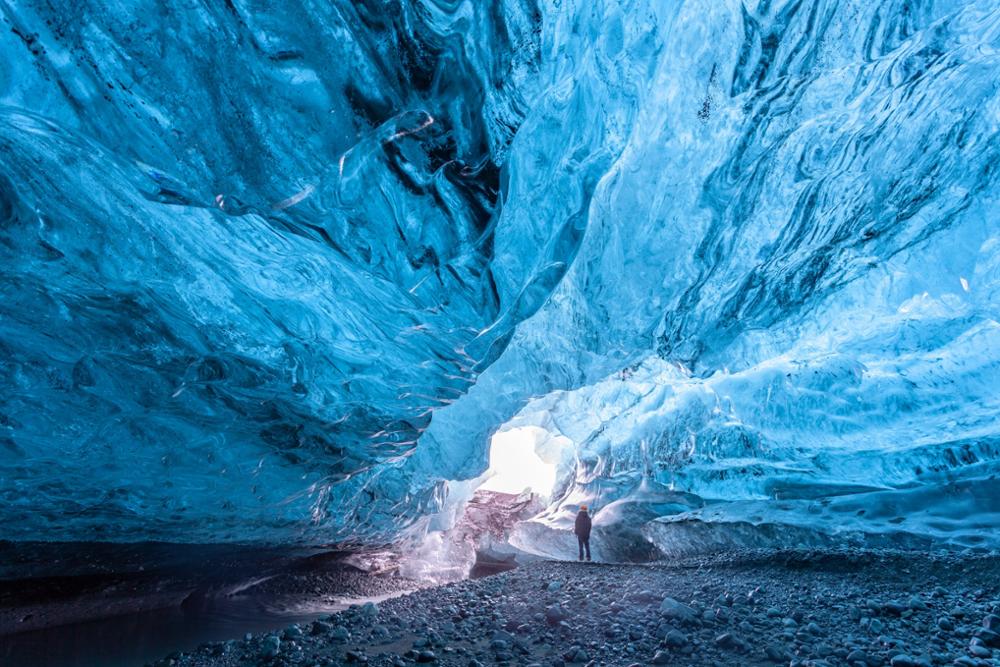
Visiting ice caves is a must-do for winter vacations in Iceland! Formed by geothermal activity and glacial meltwater, ice caves create incredible landscapes in constant transformation. Moreover, they change in size and shape from year to year.
Some are adorned with an incredible blue hue, as is the case with Iceland's most famous ice cave: the "Crystal Cave" in Vatnajökull glacier. Others offer more mysterious underground landscapes with darker colors, like the black ice cave of Katla, whose walls are jet black! Located beneath Kötlujökull glacier, this lava cave was formed by the renowned Katla volcano, whose ashes became trapped in ice during previous eruptions.
6. Hike on Glaciers
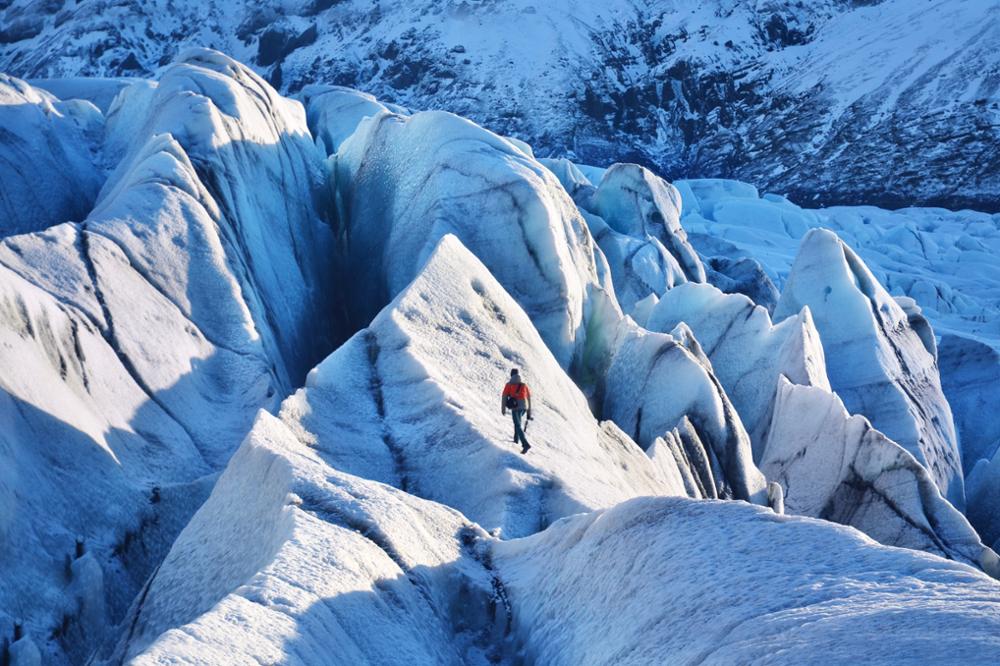
Love adventure? Then you'll be in for a treat during a winter trip to Iceland! One of the season's prime attractions is hiking on the island's glaciers.
Among the most beautiful sites to explore for a glacier hike, you'll find:
The Skaftafell glacier,
Falljökull glacier,
Skaftafellsjökull Outlet glacier,
Svínafellsjökull glacier,
Snæfellsjökull glacier.
7. Witness the Northern Lights
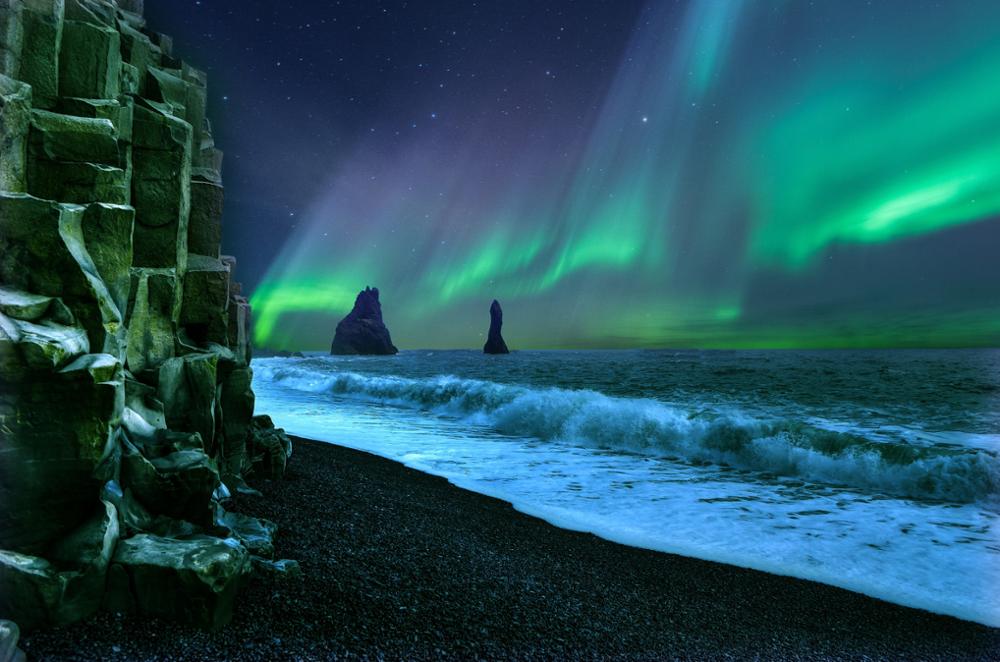
Without question, this is one of the main reasons most travelers visit Iceland during winter. Indeed, the best time to see northern lights in Iceland falls between September and April. The reason is simple: winter offers optimal viewing conditions, with only 4 hours of daylight per day!
Know that the longer the night, the better your chances of seeing the northern lights. For this, the ideal time is January, when days are shortest.
8. Relax in Hot Spring Waters
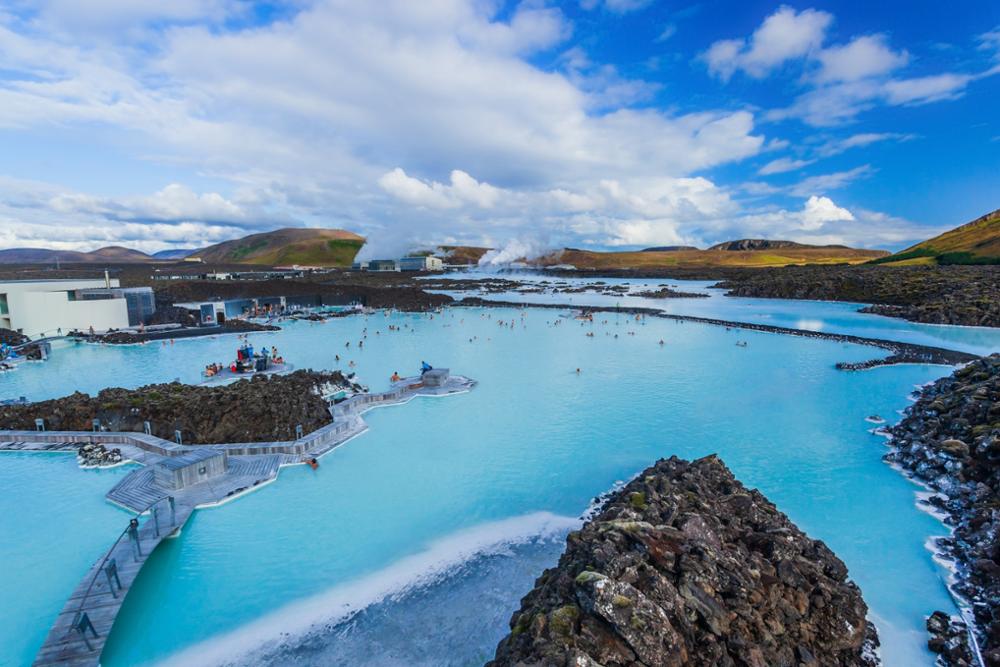
Worried about getting cold during a winter trip to Iceland? What if we told you that you could warm up in a hot spring? With its numerous hot springs and natural pools, Iceland offers a unique experience: bathing outdoors in 40°C water while surrounded by snowy landscapes. Sounds like a dream, doesn't it?
The most renowned hot spring is Blue Lagoon, a developed lagoon fed by geothermal power plants, with its mesmerizing turquoise color. If you're looking for less crowded spots, head to Gamla Laugin (better known as Secret Lagoon, a geothermal pool) or Hellulaug (a completely natural hot bath nestled in the heart of the fjords). And to combine bathing with northern lights viewing, we recommend the Mývatn baths!
Frequently asked questions
The best time to observe the northern lights in Iceland is between September and April. January is particularly recommended because the nights are the longest of the year (approximately 20 hours of darkness), maximizing your chances of spotting them. It's ideal to venture away from Reykjavik to find skies free from light pollution.
Contrary to popular belief, Iceland's winter is less extreme than in other Nordic countries. Thanks to the Gulf Stream's influence, the climate is oceanic. In Reykjavik, the average temperature in January is 2°C during the day and -3°C at night. However, prepare warm and waterproof clothing, as wind and humidity can intensify the feeling of cold.
Yes, it is possible to drive in Iceland in winter, but with certain precautions. Route 1 (Ring Road) generally remains open year-round, as does the Golden Circle. However, most roads in the island's interior close during winter. It's highly recommended to rent a 4x4 vehicle with studded tires and regularly check vegagerdin.is for road conditions.
No, natural ice caves in Iceland are only accessible in winter, typically from November to March. Outside this period, higher temperatures weaken the ice structures, making them dangerous. The famous Crystal Cave in Vatnajökull glacier and the black cave of Katla are among the most visited. These excursions must be done with a certified guide.
Winter corresponds to Iceland's low tourism season, which typically translates to more attractive prices on accommodation, car rentals, and airfare. However, Iceland remains one of the world's most expensive countries regardless of season. For the best rates, book in advance and avoid holiday periods (Christmas, New Year).
In winter, hot springs offer a unique and particularly appreciated experience. Blue Lagoon is the most famous site, with turquoise waters at 40°C. To escape the crowds, opt for Secret Lagoon (Gamla Laugin), the natural Hellulaug spring in the fjords, or the Mývatn baths, which offer the advantage of allowing northern lights viewing while bathing.