Eating in Iceland
Eating is one of life's pleasures, especially while traveling. Iceland holds many surprises in store for you that will surely delight your palate. It's a paradise for fresh fish enthusiasts
Eating is one of life's pleasures, especially while traveling. Iceland holds many surprises in store for you that will surely delight your palate. It's a paradise for fresh fish enthusiasts, but also for meat from animals grazing in mountain pastures, far removed from urban areas. You may be surprised by the diversity of legumes the country offers. Icelandic terroir provides everything food enthusiasts need to create succulent and innovative dishes. While fish and lamb are the flagship products, restaurateurs don't hesitate to cook beef, pork, and other local game, poultry, various seafood, seabirds, and vegetarian dishes always feature prominently on restaurant menus. International specialties enrich the offerings: Korean, Thai, Indian, Chinese, Japanese, Philippine, Pakistani, Italian, French, Spanish, Mexican, American, and more.
Fish, a culinary tradition in Iceland
Iceland didn't adopt the fishing restriction law established by the European Union in 2015 because this ancestral activity holds significant cultural and economic importance passed down through generations. Among the most renowned Icelandic specialties are Atlantic wolffish and cod, breaded and pan-fried. However, other recipes deserve discovery: marinated fish tartare with sweet bread, grilled fish, and dried fillets. Harðfískur, rich in protein, ranks among the foundations of traditional Icelandic dishes.
What people typically eat in Iceland
Certainly, Iceland's climate limits agriculture and livestock farming, yet everyday cuisine still varies its flavors:
- Lamb soup is among common dishes prepared primarily with local ingredients.
- Skyr, a thick cheese, is typically consumed with jam or fresh fruit.
- In January and February, þorramatur takes center stage. Ingredients can be off-putting to many: shark fin, seal flippers, sheep testicles and heads, liver sausages, whale fat, rye bread, and more. This dish is generally served as an appetizer spread with bread.
For a long time, Iceland became known for shark fins, like smoked puffin and whale steaks, but these dishes are increasingly rare and should be avoided since these species are now protected and therefore prohibited from fishing.
What beverages await you in Iceland
The law is strict—you must be at least 20 years old to purchase and consume alcohol. Drunk driving is also severely punished. The maximum blood alcohol level is 0.5 g/l, a figure that could drop to 0.2 g/l in coming years.
- Like in some Scandinavian countries, the State monopolizes alcohol sales. Supermarkets mainly offer light beer, below 2.25°. Beyond that threshold and for wines and stronger spirits, you'll need to visit state-run Vínbúðin stores. Shops are generally closed on Sundays. In smaller towns, they're open only in the afternoon, for one or two hours at day's end. When possible, shop during the week to avoid long queues on festive weekends.
- Light blondes dominate the market for Icelandic beers. Gull and Viking are the star local brands in this category. Products from craft breweries are nonetheless thriving and gaining growing popularity among tourists.
- One of the local specialties is brennivín, a potato-based spirit flavored with caraway, best enjoyed chilled. It boasts 37.5° alcohol content and is nicknamed "black death"...
- Reyka, Icelandic vodka, is less potent, but delivers equally stunning effects with its water filtered through a lava field.
- For non-drinkers, bars, cafés, and museum cafeterias typically have espresso machines.
- Finally, the entire country has access to drinking water. It sometimes emits a sulfur smell, not always pleasant but you get used to it—the water remains excellent to drink.
Burgers, Hot-dogs, Pizza…
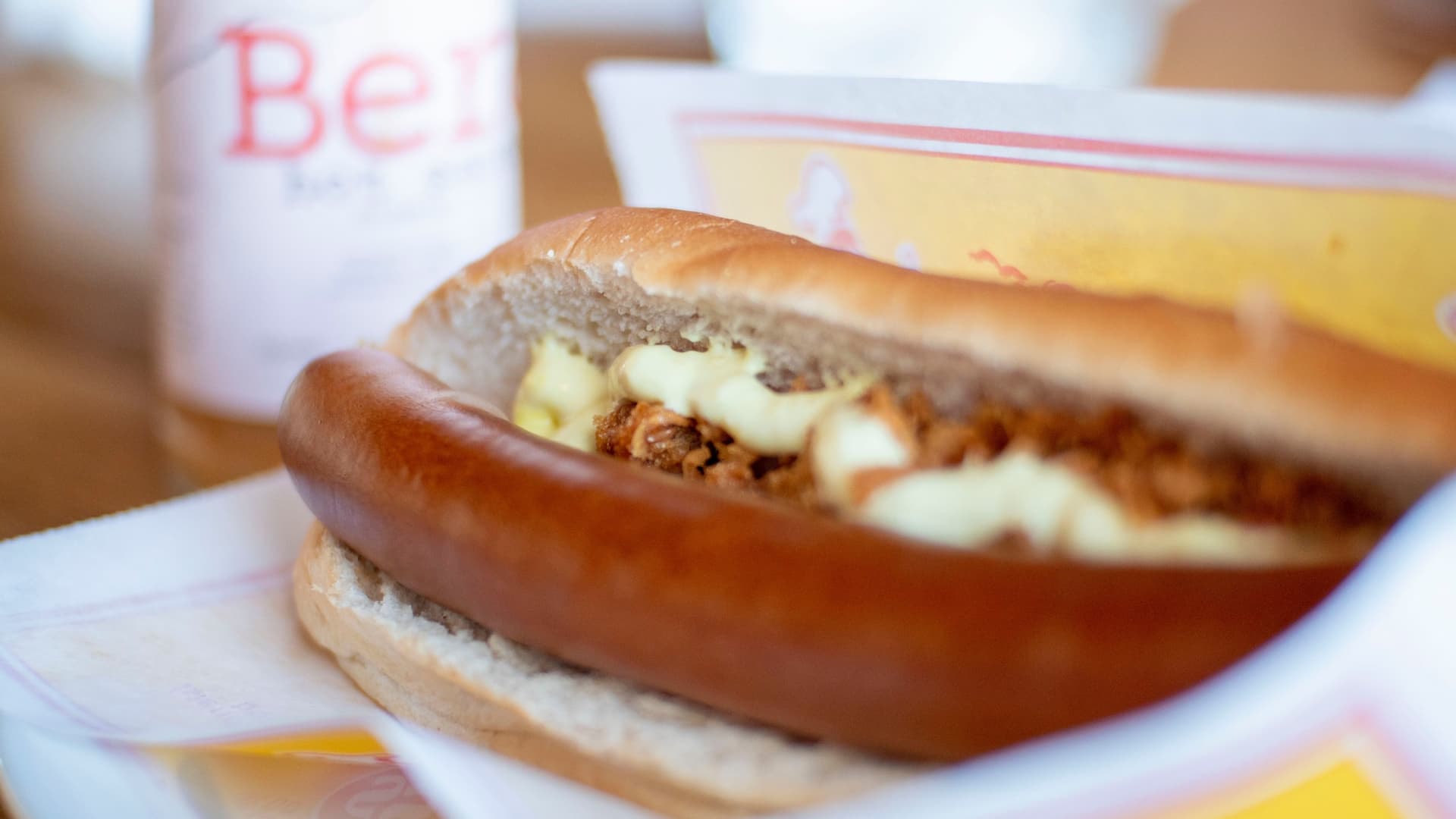
Even though Iceland conjures images of fresh fish, it's quite common to eat pizza, burger, hot-dog, or fish and chips. Inexpensive, these "fast food" dishes are widely recognized in Icelandic gastronomy. You'll sometimes find a small truck or caravan offering delicious fish and chips at the foot of a famous waterfall, or delicious burgers on lodge restaurant menus. Note that a vegetarian version is very often offered on menus.