Practical information Iceland
You'll find here everything our team based in Reykjavik tells travelers every day as they prepare their stay. Since Iceland is part of the Schengen area, no visa is required for French, Belgian and Swiss nationals for a tourist stay of up to 90 days. On the health side, no mandatory vaccinations, but a European health insurance card remains useful. The country is expensive: budget 150 to 250 € per day and per person excluding flights and car rental, more during peak season (June-August). The Icelandic króna (ISK) reigns, but credit cards work everywhere, even in mountain huts in the Highlands. As for transport, Route 1 is paved and passable year-round (weather permitting—check road.is and vedur.is each morning in winter). F-roads require a 4x4 and only open in summer. Jean-Marc always insists on two points with travelers: pack windproof and waterproof clothing even in July, and never underestimate the wind, which can blow a car door shut in seconds. Safety is excellent, the country regularly ranks at the top of global safety indexes. Local etiquette comes down to respecting nature (no off-piste, no wild camping outside authorized zones since 2015) and showering naked before each geothermal bath—it's mandatory.
Plan your trip by theme
Explore our practical guides organized by category to quickly find the information you need.
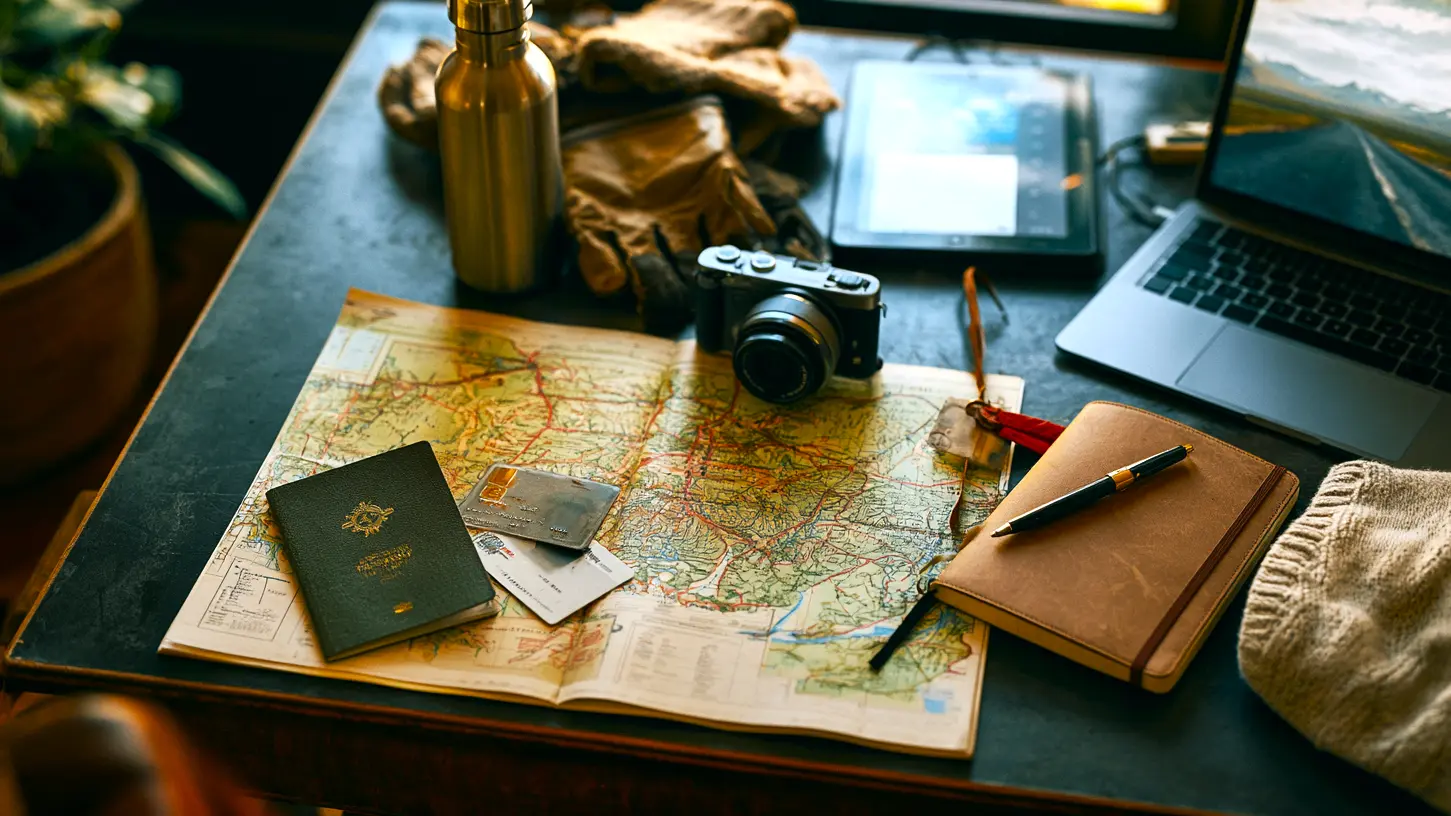
Before You Go
Schengen area, no visa required for 90 days, passport or ID card, travel insurance and European health insurance card recommended.
1 article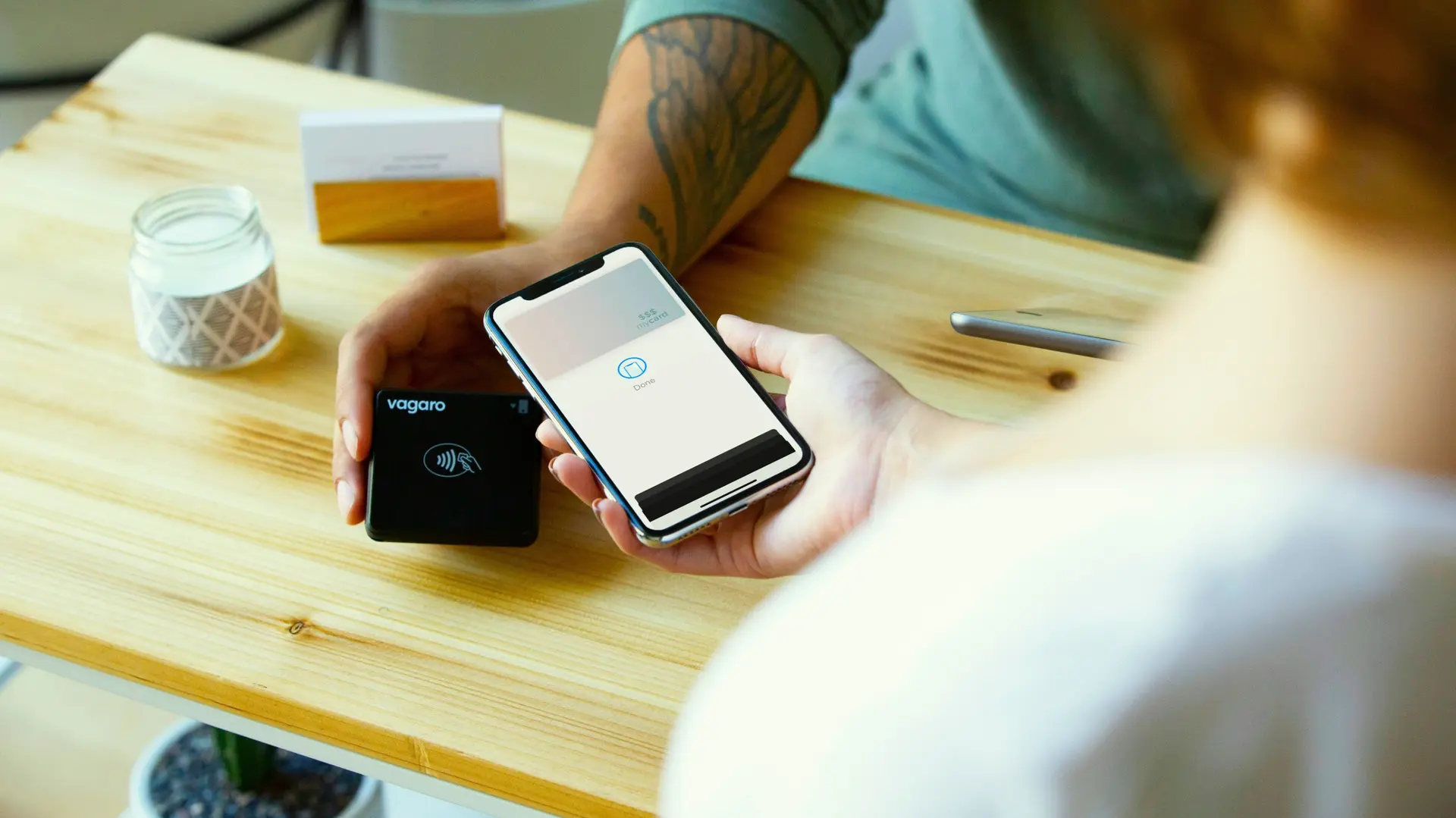
Budget
Icelandic króna, credit card accepted everywhere, €150 to €250 per day per person excluding flights, tipping not expected.
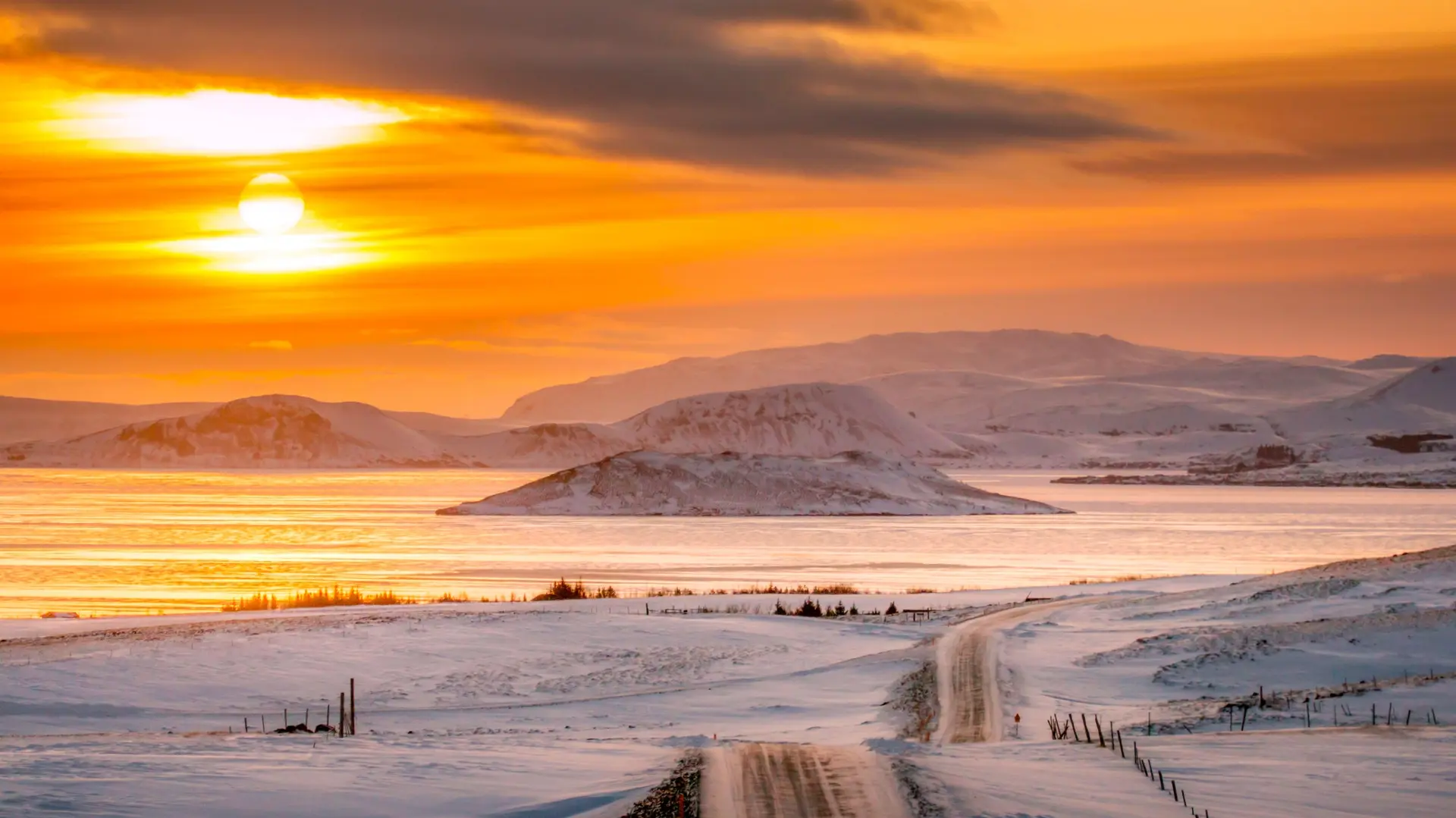
Climate Season
Cool summer 10-15°C with midnight sun, windy winter 0 to -10°C, northern lights September-March, F-roads open June-September.
2 articles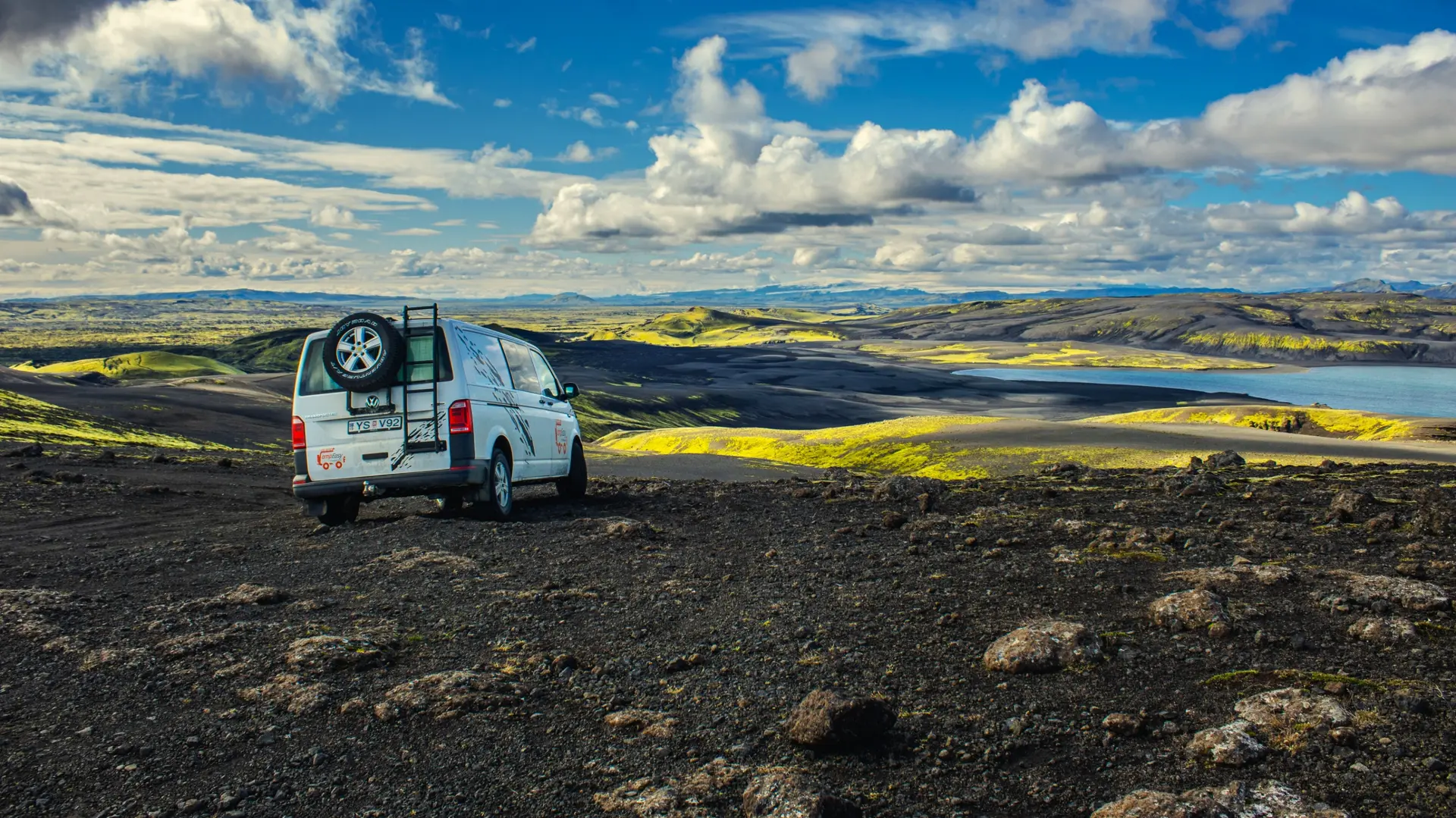
Transports
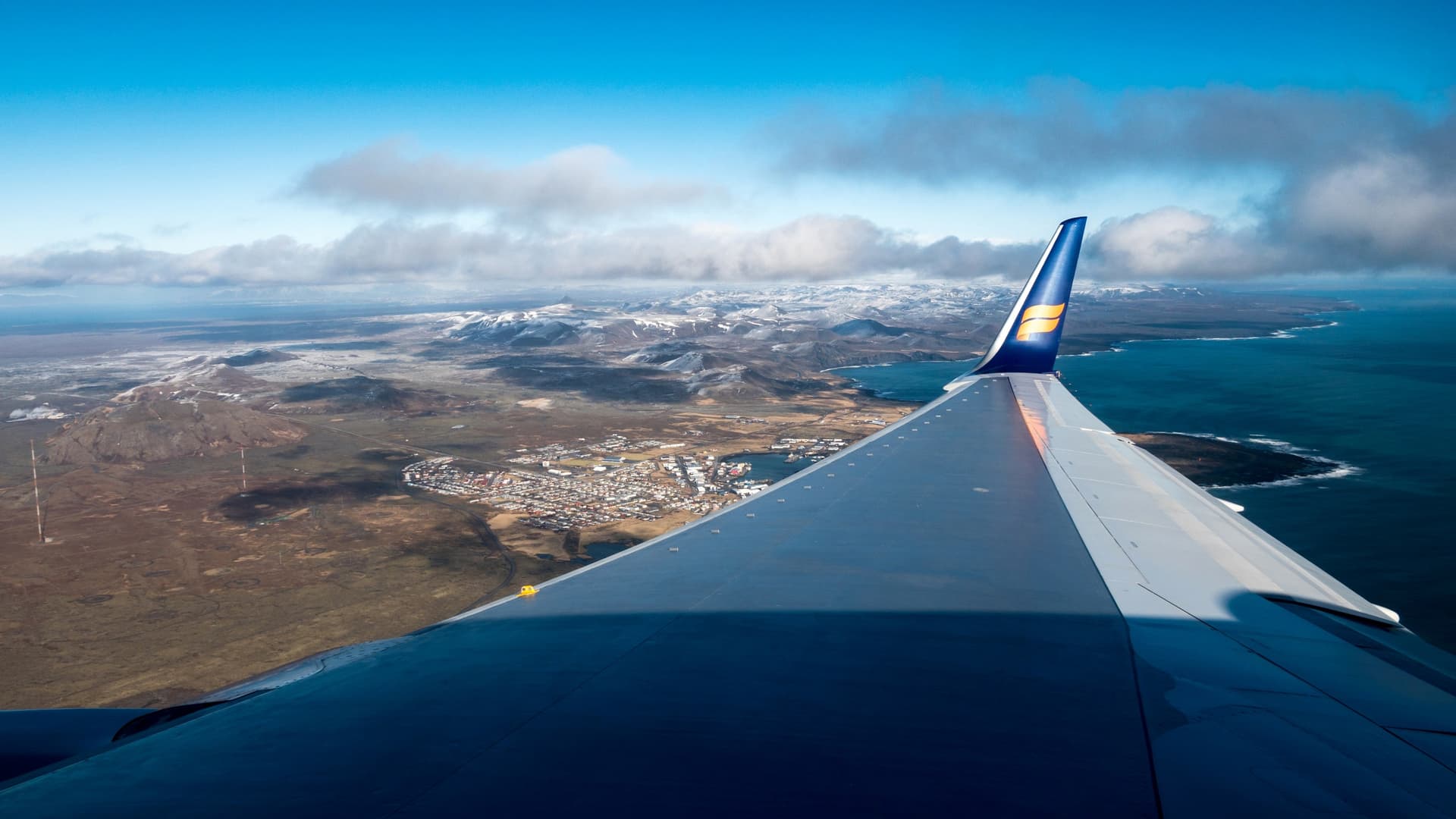
Route 1 is paved, car rental is essential, 4x4 required for the Highlands, internal flights to Akureyri and Westfjords.
3 articles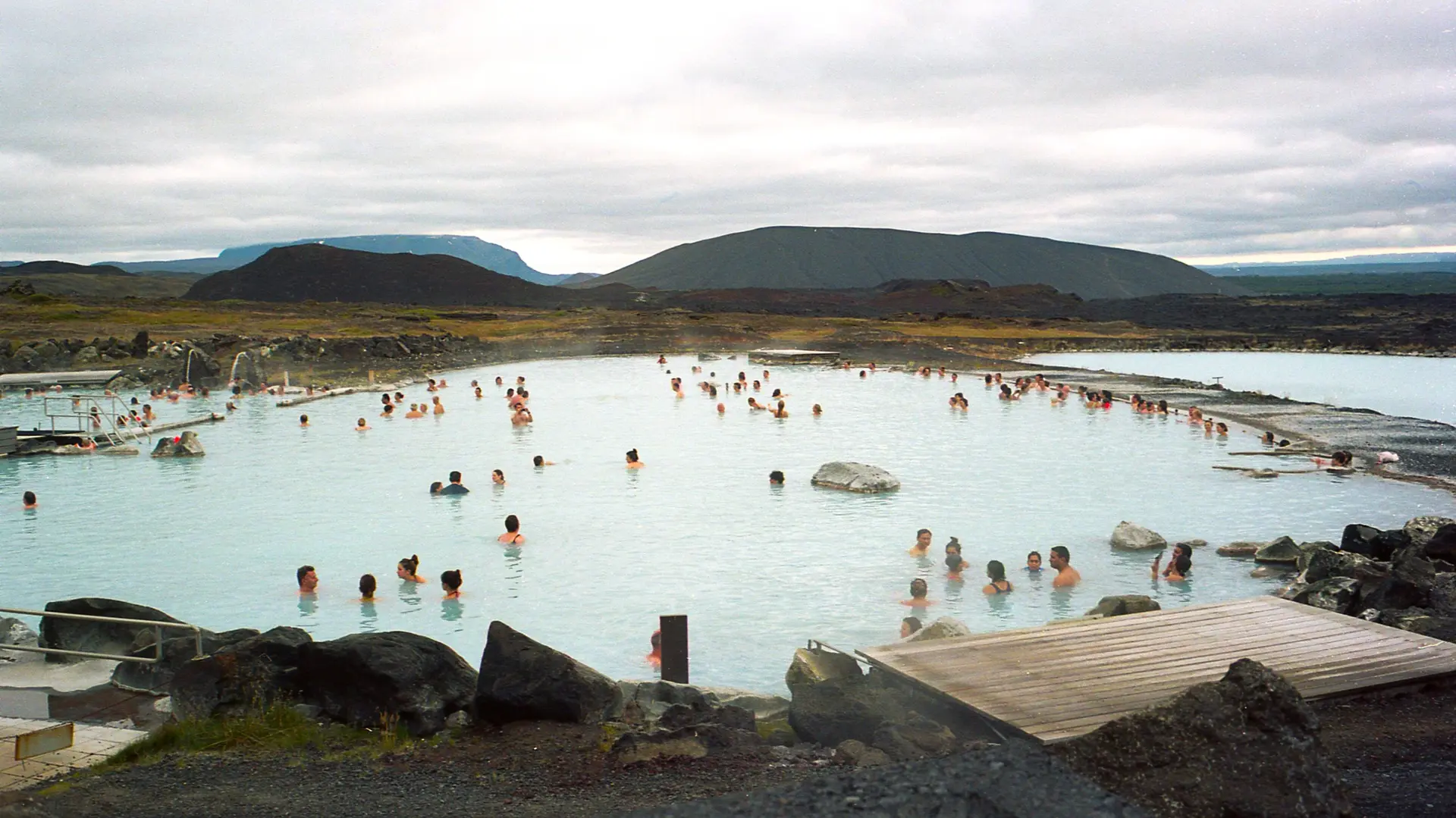
Culture
Egalitarian society, shower naked before bathing, strict respect for nature, English spoken everywhere, punctuality appreciated.
3 articles
Helpful Tips
Excellent tap water, 230V European outlets, strong 4G, violent winds, consult vedur.is and road.is daily.
1 articleAll practical guides
Search and filter among 10 articles

10 of 10 results
Frequently asked questions
The answers to the most frequently asked questions from our travellers.
No vaccine is mandatory or specifically recommended for traveling to Iceland. The country has a very high-level healthcare system and has no tropical diseases, malaria, or dengue. We simply advise staying up to date with universal vaccinations (DTP, MMR, hepatitis B). The European health insurance card covers basic care for EU citizens, but travel insurance with repatriation is essential, especially if you plan hiking or driving on F-roads where helicopter rescue can cost several thousand euros. Tap water is perfectly drinkable, often better than bottled water.
Iceland is among Europe's most expensive destinations. Budget 150 to 250 € per day and per person excluding international flights and car rental. A night in a standard guesthouse runs around 130-180 € for two, a restaurant meal 25-40 €, a beer 12 €, a full tank on an SUV approximately 110 €. 4x4 rental climbs to 150-250 € per day in high season. On the controllable side: Bónus and Krónan supermarkets allow you to cook at lower cost, municipal geothermal pools cost 8-12 € compared to 60-90 € at Blue Lagoon. Our itineraries include everything upfront to avoid unpleasant surprises on site.
Two peak seasons, two different experiences. June to August: temperatures of 10-15°C, almost permanent sunlight (midnight sun peaks on June 21st), all roads open including F-roads in the Highlands, nesting puffins, but high crowds and peak prices. September to March: Northern Lights possible as soon as skies clear, ice caves accessible at Vatnajökull between November and March, winter atmosphere, but short days (4 hours of daylight in December) and many roads closed. May and September offer a good compromise: lower prices, Route 1 open, first Northern Lights in September.
A car is essential to explore the country beyond Reykjavik. Route 1 (Hringvegur) circles the island over 1,332 km, entirely paved. A sedan is sufficient in summer for the main road, but a 4x4 becomes mandatory for the F-roads of the Highlands (Landmannalaugar, Þórsmörk, Askja) and strongly recommended in winter. River crossings are frequent and not covered by rental companies on standard vehicles. Domestic flights from Reykjavik to Akureyri (45 min), Ísafjörður and Egilsstaðir with Icelandair. Long-distance buses are limited in winter. Check road.is daily for road conditions and vedur.is for weather.
Iceland consistently ranks among the world's safest countries (Global Peace Index, regularly in first place since 2008). Crime is virtually non-existent, there are no areas to avoid, and you can move freely around Reykjavik at any time. The main risks are nature-related: violent wind capable of overturning a vehicle, sneaker waves on black sand beaches (particularly Reynisfjara), sudden weather changes in the mountains, volcanic and seismic activity. Follow the signs posted at sites, never walk on glaciers without a guide, and register your itinerary on safetravel.is before undertaking an independent trek. Our team in Reykjavik remains available 24/7 during your stay.
Ready to travel to in Iceland?
Discover our tailor-made itineraries, designed by our local team. Each route adapts to your pace, your preferences and your travel season.
See our toursWe use cookies to improve your experience and measure our site's audience. You can choose what you accept. Learn more.